Scrap metal noise has a long-standing place in experimental music circles. From the anti-music aktions of New Blockaders and the Haters to modern masters like K2, Knurl, and Macronympha, artists have assimilated the discarded waste of industrial society into the fabric of their sound. From absolute processed and edited symphonies of prickly precision to stark documents of material abuse.
Xah is an unfamiliar name to this reviewer, but after a couple listens, I’ll be keeping an eye on this project. No discernible effects are used in these very raw and energetic recordings; a barrage of different techniques and structures are worn into entropic bliss. Xah alternately coaxes low-end gurgling and high-end screeching out of their set up. This short tape is a great introduction to a killer project that I can’t wait to hear more from.
“A C30 Cassette dubbed in real time housed in a silver norelco with professionally printed j cards and labels.” Available from Cruel Symphonies.
I’m a sucker for a good rule, limit, or promise. Perhaps the Pilgrim Talk label is as well. The California based enterprise is a bit of a hideout for noisers, microtoners, and sustained voiders (the label claims “the void is real”). Nick Hoffman is the local intaker of the label, over twelve years on the job. He’s recently moved down to LA with a lute in hand to strike out whatever fortunes are still arising outside of a line at The Smell or what have you. Also, Hoffman is a bit of an occasional interviewer, sometimes offering an interview alongside a tape release coming out on Pilgrim Talk. He did such a thing with Takahiro Kawaguchi’s Recorded Xenology. I give a genuine recommendation for the interview as Hoffman and Kawaguchi cover ample room discussing the construction of Kawaguchi’s live and studio body of work; the experiments and set-ups that have been his bread and butter dating back to 2k4. It’s helpful context towards the constructivist sounds of Recorded Xenology, which is a tape release truly bound by simple rules, self-made instruments (a la Bad Jazz), and sound repetitions.
Rule* 1 is of course my favorite: HORN. And no, that’s not a free pass to honk or crank or wail. Kawaguchi is not trying to summon Mr. B Natural with THIS decked out “air compressor and ten car horns” super instrument (an instrument that has been modified, partially confiscated, and still revealing itself over the course of several years). Instead, he’s well tuning up the horn, exploring the compositional sounds that come about. And while it could have been a demolition derby or destructive catalyst, the sound is actually quite jubilant. There’s ample bounce to this horn that lets the instrument’s tonality begin to hit foreign, isolated planes. Removed from the context of a car and the horn takes on semi-regal as much as semi-gauche sounds; it’s an uncanny, yet welcome feeling to say the least. When he reintroduces the instrument for Rule* 3, HORNS, Kawaguchi is letting it move about semi-automatically, almost like a rudimentary Keith Fullerton Whitman Playthroughs session. It’s a sound that as it sustains over the twenty and a half minutes, cannot help but transmute or reconfigure. Yet, a greater magnitude of sonic intensity, including a warming drone, comes through that piece that is displaced in “HORN.”
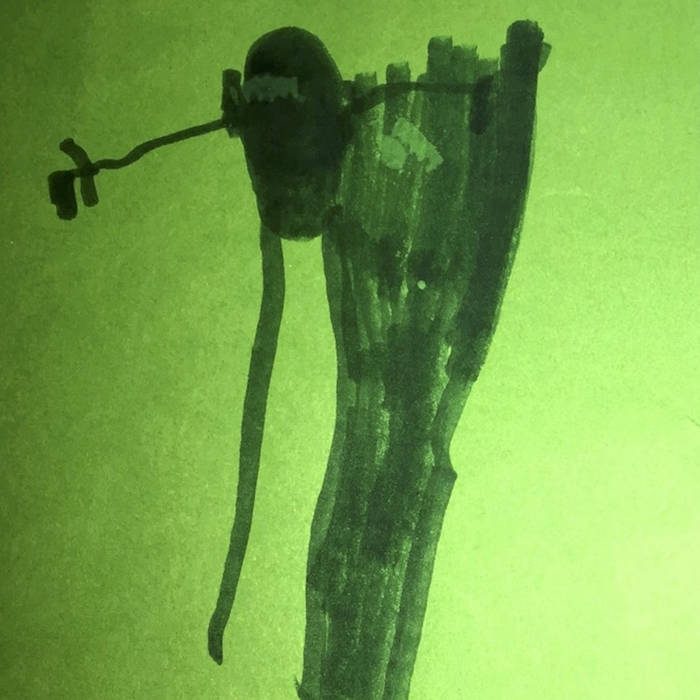
In between these two Rules* is Rule* 2 “NO HORN,” which substitutes the horn for fingers and paper cone recordings that were converted into sound. It’s much more of an ASMR type of event that gave me thoughts of can openers (amongst other crank type objects) and pennies on a dead mime. Although, the tape’s cover (art by Mr. Hoffman) itself may stand as a more enduring drawing of what exactly is happening on “NO HORN.”