Tabs Out | Keith Fullerton Whitman – L7 (BGM)
Keith Fullerton Whitman – L7 (BGM)
9.28.20 by Matty McPherson
My dad told me that Keith Fullerton Whitman’s Playthroughs sounded like spa music. I did not have the heart to tell him that it was actually the sounds of processed sine tones, as Mr. Whitman lays out a thorough section of his site labeled the Playthroughs series. The rift between us should have grown stronger, but Playthroughs is undeniably calming, bubbling with the pleasures that only hot springs can offer.
Whitman, the ambient genre’s no. 1 “trust the process” guy for nearly two decades running, has continued to carve paths far beyond playthroughs. Although, he has occasionally returned to the series for live performance, uploading variants to his Bandcamp across the decade. Perhaps the easiest (and cheapest) CD to find (if at all) was Lisbon, which provided a performance akin to transcendence. The sounds of the system reaching noise levels that articulated that of a machine greater than all of us, just out of our reach. Simply put, it was an exceptional display of technology and curation being pulled out to dazzling results.
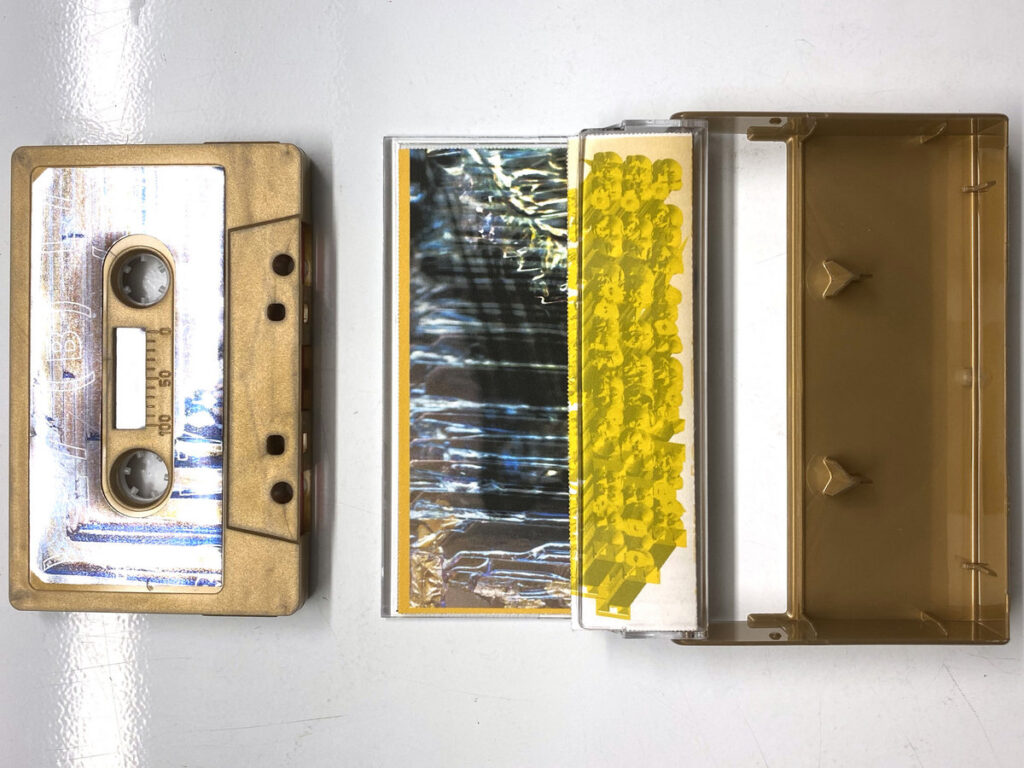
I dubbed my own tape of Lisbon (Type I Maxell, b/w TJO’s Where Shines New Light) off of a Sony Boombox that is chronically fatigued and will die after playing a CD for more than 90 minutes. That tape’s pitch is a tad bit higher, which is a source of shame that casts a long shadow over my day, especially in the wake of hearing Whitman’s wonderful sounding Hi-Fi Res reissues of his Bandcamp catalog. If you’re out of the loop here’s the scoop: Whitman took to an after-hours project that expanded into self-dubbing, curated tape reissues of a whole bundle of material from across the last decade. Limited runs of ten different tapes, of exceptional fidelity, with passionate graphic design by yours truly.
There’s a lot of ground covered. From the “generative, self-fautomating Hybird Analogue-Digital Modular Synthesizer patch that applies principles of Werner Heisenberg’s research on “Turbulent Flows into a series of sub-dividable motor-rhythm arcs that freely wander across the internal sound-fields of the sculpture” that comprises the whole C46 Epithets cassette’s run time, the musique concrete of “Contemporary Drumming” (which features no drum circles, sadly), the series has contained everything I love about Keith: insane practical dedication to fully formed compositions that move at the pace of a human brain, for human consumption. That each tape acts as its own snapshot of a decade well spent, rivaling what has been found across Whitman’s label releases.
Whether or not he is formally done after ten, as well as if there are any more copies left to go around are still questions that remain unanswered. Yet, if Keith is done with the series, then L7 (BGM) is a helluva reissue to go out on. The 2011 recording is a late-stage recording of the Playthoughs series in a “post-Lisbon context”, transfiguring that piece itself for an “interactive digital environment” (video game). Thus, while it has the same guitar based starting point as Playthroughs and Lisbon, “L7 (Final Mix)” its emphasis is widely different from its two ancillaries, emphasizing fuzzy synth and reverent granular synthesis that give the piece a sublime feeling.
While Lisbon’s non-guitar mixes could be rapturously loud, “L7 (Final Mix)” radiates a shimmer (“chiming, phased square-wave tonal-centers”, I’m informed) that pleasantly crackles in the ears. It eventually gives way those wonderful layers of granular synthesis that soar to the heavens. Sewn through the 21-minute piece are an incredible amount of sound effects generated via the Playthroughs system. Hidden, yes, but ever gently nudging Whitman towards the idea of being more than an active listener, but viewer (or protagonist) via this system. Not that this seems to be the piece’s focus per se, but Keith’s addition of a rough mix and the SFX offered on the tape’s b-side help to prime the brain to dig deeper for those sounds and only further offer weight to the prowess of his meticulous studies. For what is merely processed sine tones still offers an immense amount of tension relief and possibility-it’s great to have that on a tape dubbed right!
Edition of 48, dubbed (warm) to tape from the original 24/96 masters in batches of 4 via a Recordex Soundmaster IV, as they should be.
Related Links

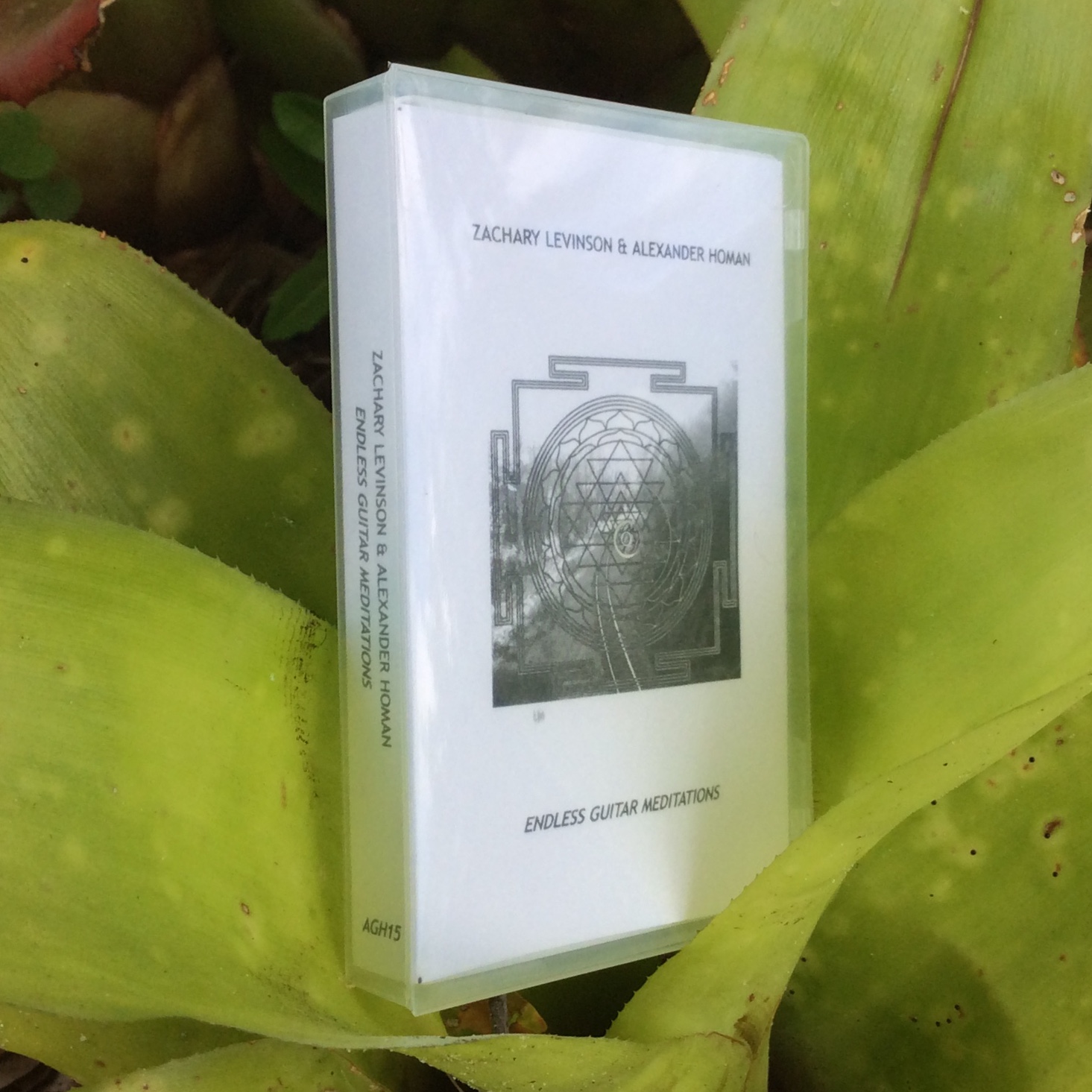
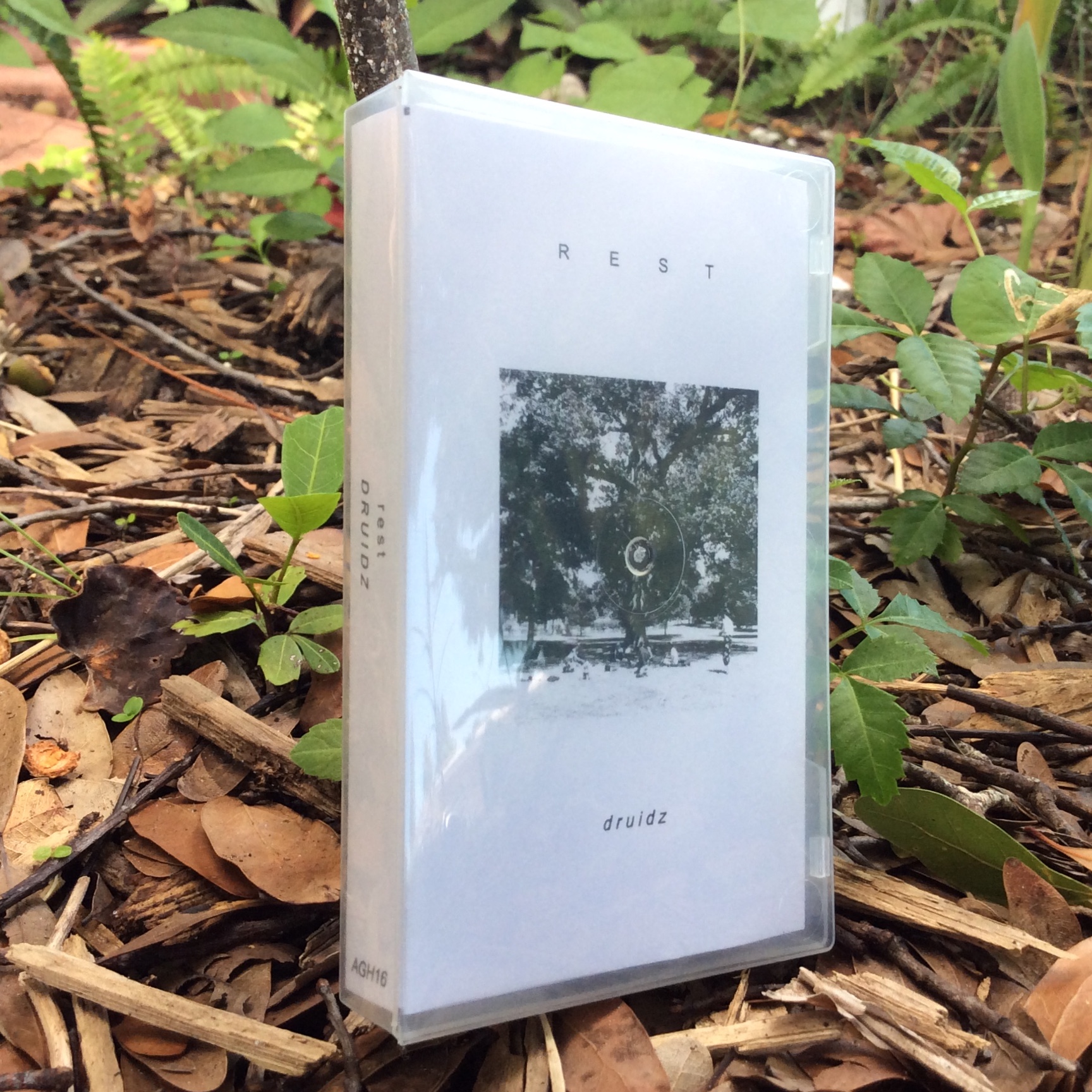
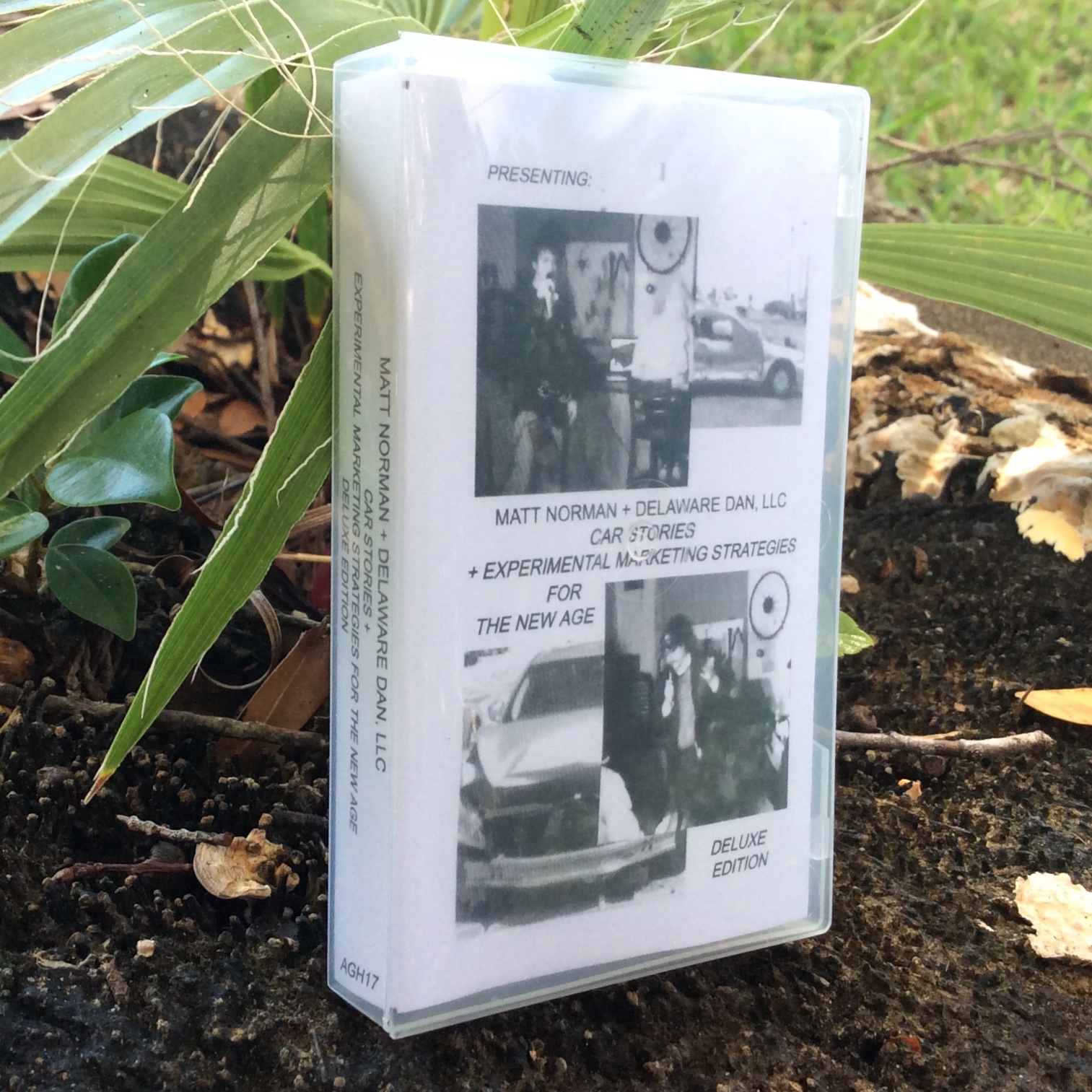
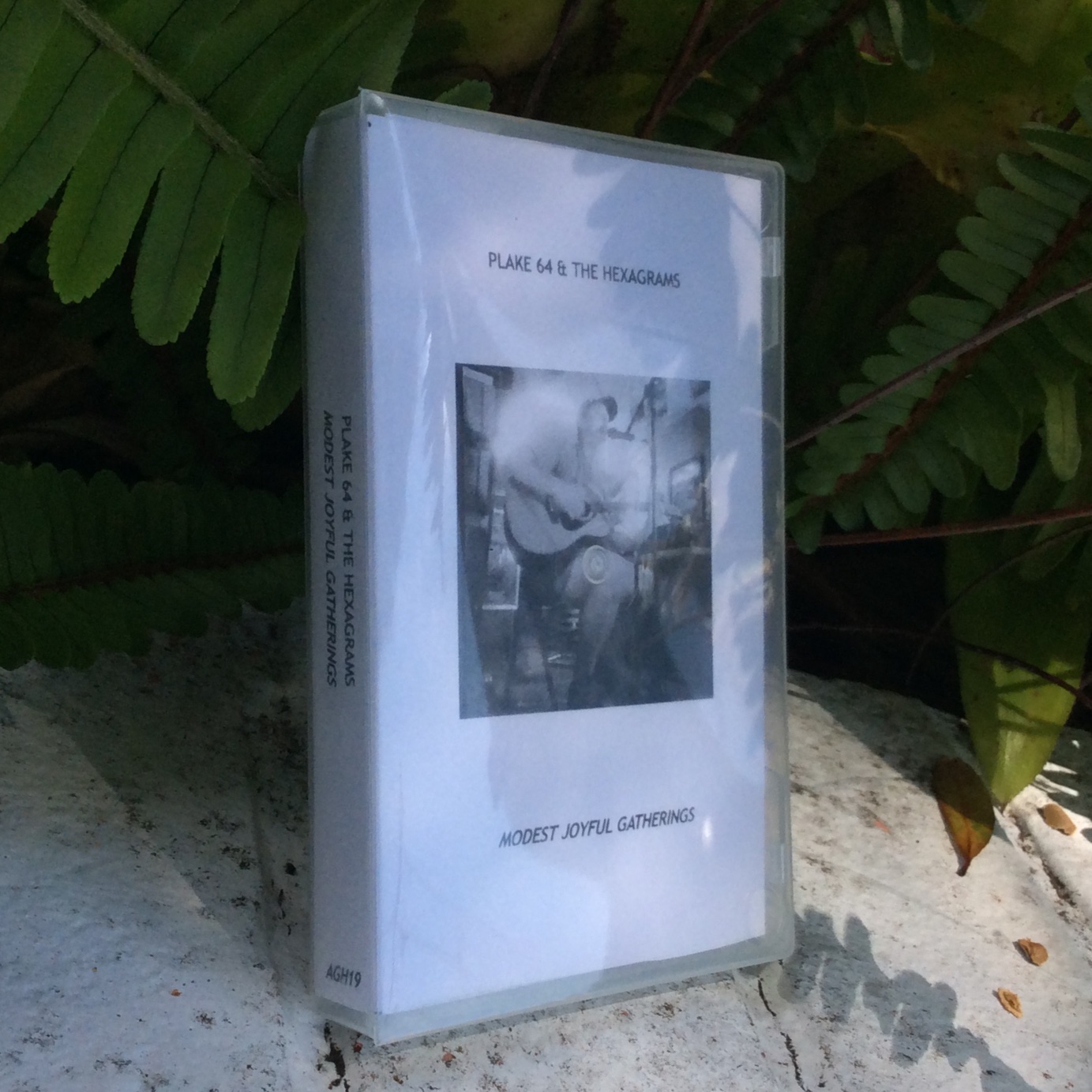
9.28.20: AGH Tapes
Tabs Out | Genetics and Windsurfing – Recording Session of Waveform Poems
Genetics and Windsurfing – Recording Session of Waveform Poems
9.25.20 by Tony Lien
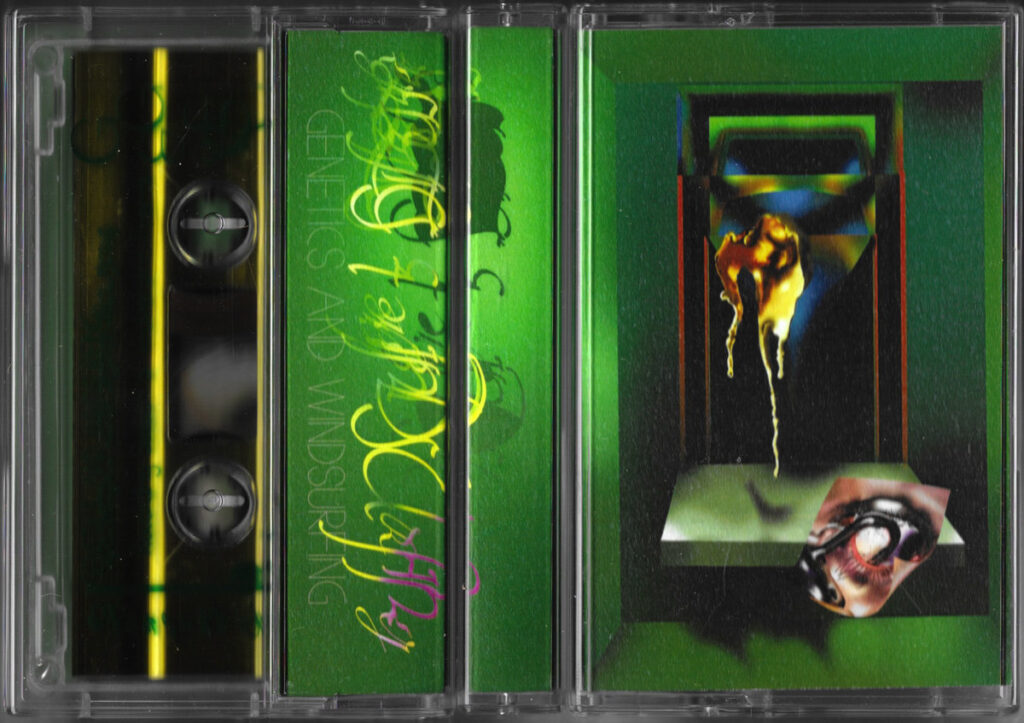
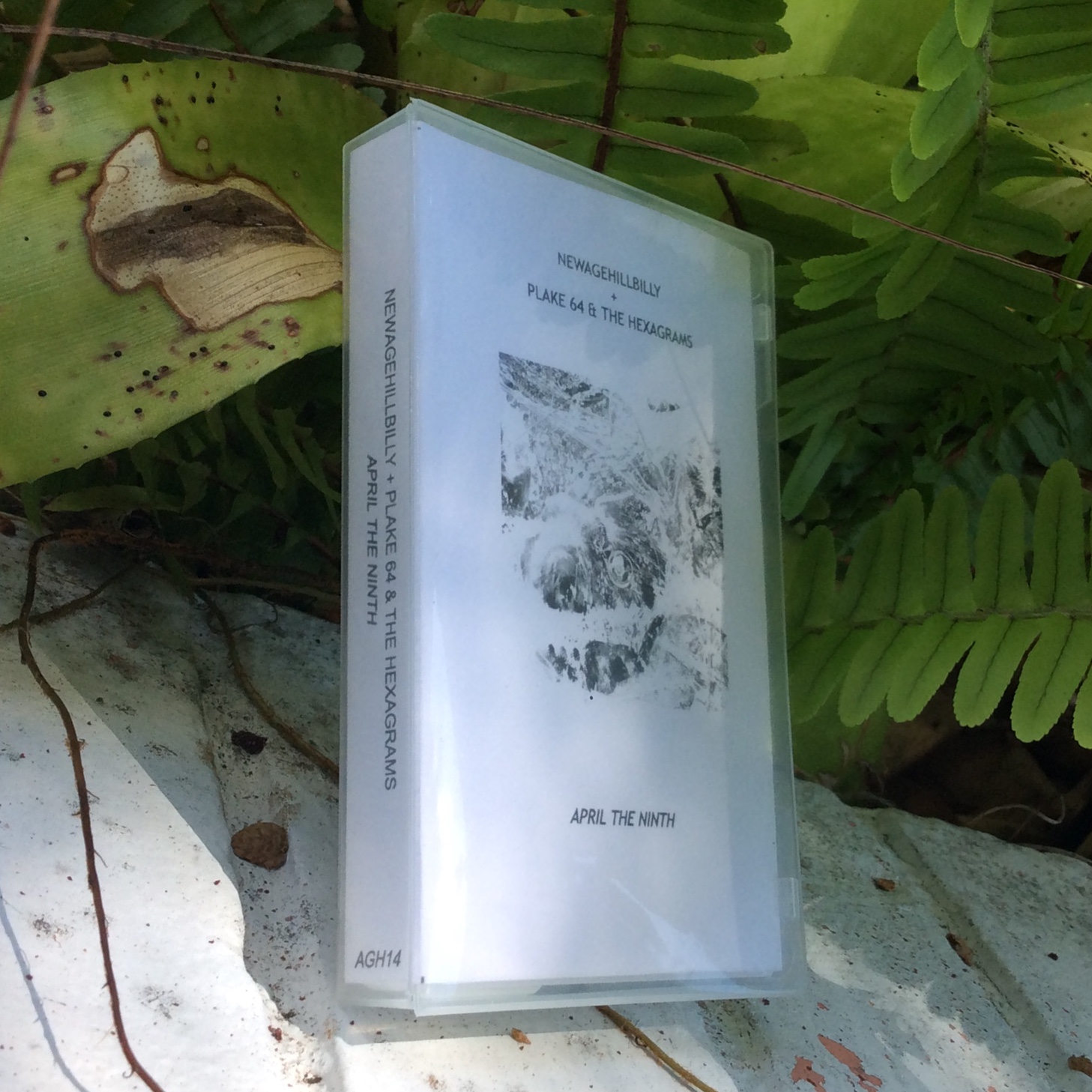
Genetics and Windsurfing – moniker of Polish experimental musician Daniel Jasniewski – is often one of the projects I tend to reference when I converse with people who have yet to delve into the geological layers of Orange Milk’s continuously diverse and forward-thinking catalogue. As it goes with any of their releases, verbal and/or written descriptions can never skim the surface when it comes to relating the listening experience to another person. Jasniewski’s music is THE prime example in a sea of prime examples.
In his latest work, “Recording Session of Waveform Poems”, Jasniewski continues on with his idiosyncratic vision of experimental electronic exploration. Stuttering, shimmering blocks of digital noise pan back and forth in your headphones in a jagged, kaleidoscopic fashion. You’d think this would imply that the mangled computer sounds conjure that specific sort of synthetic Internet sound you’ve come to expect from OM – which, it does – but Jansniewski effortlessly reaches beyond this trope in a way that makes me believe Richard Brautigan’s hybrid techno-future forest dream where nature and computers exist in harmony together is actually possible and not just some rad freak-beat poem.
The bombardment of sound is near constant – only occasionally broken up by brief intrusions of field recordings or silence – but it is by no means overwhelming. Jasniewski, I think, is trying his best to keep us interested. In this, there is a great wisdom in his music; he is well aware of the fickleness of our collective attention spans, and the ever-evolving flow of glitches is his response to the problem (yes, this can really be a problem for artists of all mediums). It’s almost as if he’s attempting to create a hybrid language that circumnavigates the mess of our mangled psyches; if you listen hard and long enough, you’ll swear that you’re beginning to understand what he’s trying to say.
As of writing this, there are still plenty of copies available on the OM site. I’d say catch a wave while the wind is still blowing and pick up a tape before they fade into legend like all of the others.
Related Links