11.1.23 by Zach Mitchell

11.1.23 by Zach Mitchell
11.01.23 by Zach Mitchell
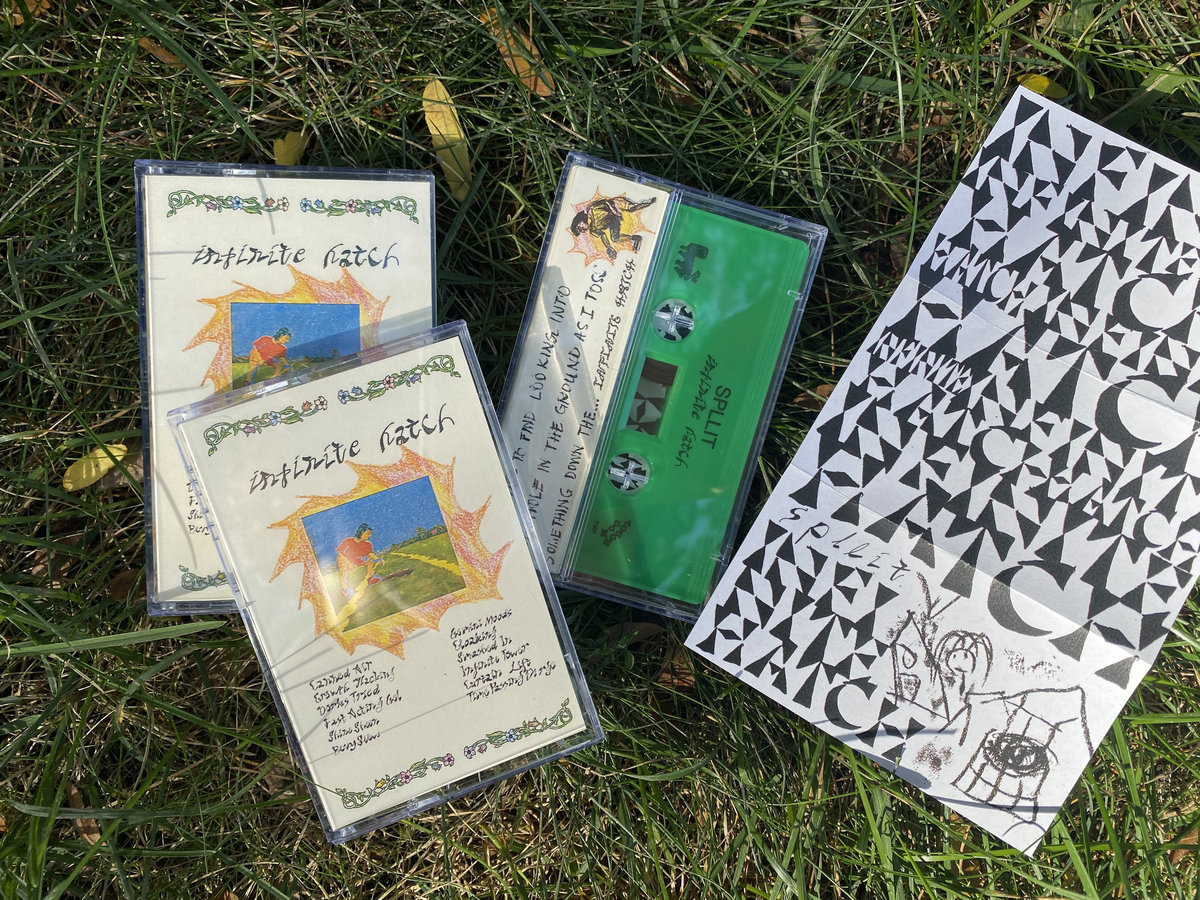
Rules are meant to be broken. The idea of setting creative rules for yourself – in SPLLIT’s case, recording two distinct sides of a record from two songwriters in a day’s time – can be tantilizing as an artist. It creates a process, a goal, a narrative, and an eventual ideal to be trampled on for your followup. This is the situation SPLLIT find themselves in for Infinite Hatch, their second full length release and first true cohesive album length statement. The Baton Rouge post-punk duo’s (known professionally as MARANCE and URQ) first record, Spllit Sides, featured seven new songs and several more from an older cassette-only release. Infinite Hatch finds the team starting from the ground up for a batch of twelve stretchy, bouncy jams.
The core of SPLLIT’s sound has always been a merging of Palm-style mathy post-punk with DIY egg-punk sensibilities. Egg-punk (a term I hate, but one that sadly has meaning) is a tough genre to break into these days because, like with most punk subgenres, the lack of innovation in the genre means bands just iterate on each other endlessly. There’s two approaches you can take to skirt around this: you can either spend the money to record your quirky bursts in a real studio (à la Snooper, which turned out great for them) or you can inject real ideas into your music. SPLLIT chooses the latter.
SPLLIT’s biggest strength lies in mashing together seemingly disparate pieces, like on “Cloaking” where the band smash cuts loping verses into a hardcore-flavored outro. Infinite Hatch as a whole feels like that over its runtime, but when you dig into the individual pieces (like the skittering drum machine bits in “Dorks Tried” or “Bevy Slew”’s tempo fluctuations around one central theme) you notice something: there is one singular sonic world that this whole album takes place in. SPLLIT has created their own unique sonic palette right outside the edge of easy comparison. Everything comes in twos – vocals, drums, guitars. Layers upon layers of sound add up to some truly caterwauling, freeform punk. Rarely does this kind of trek into odd time signatures and herky-jerky rhythms sound this fun, which is the other big component of the SPLLIT sound world. Tracks like “Gemini Moods (Return)” sound joyful without being cloying. It’s easy to imagine the studio mania that accompanied the splatty keyboards and meter changes and even easier to feel invited to dance along with the band.
Infinite Hatch is a tough album to crack, but the invitation into its world is a tempting one. Every time I return to it, I turn over a new stone and find a new bleep, bloop, or percussion whack to appreciate. I’m drawn to albums like this – homespun patchworks of found sounds and dreamed up soundscapes from creative minds too weird to be pinned down. SPLLIT leveled up big time on Infinite Hatch. It’s a dispatch from two songwriters bursting at the seam with ideas. There’s a large part of me that hopes that other punk bands take a page out of their book – stretch out, loosen up, and don’t be afraid to sound demented while you’re doing it.
Tapes available from Tough Gum & Chrüsimüsi Records
10.30.2023 by Ryan Masteller
Sometimes you need an outlet. A way to blow off steam. An activity where you can let your guard down, be a little more vulnerable, do something a little different. When you’re Daniel Provenzano, bass slinger extraordinaire for Philly wild things Writhing Squares, whose main gig lets him blow off plenty of steam through an unending stream of psychedelic skronk alongside partner-in-craziness Kevin Nickles, and whose records are unending blasts of fist-pumping agitation aimed directly at the heart of convention, that outlet is less a feral pouring out of adrenaline and more an inward grasp toward solitude, a scrabbling at the door to the outer world to slam it shut in the face of constant stimulation. And when you call Philly home (and trust me, I know Philly), sometimes that self-imposed peace and quiet can be a life preserver.
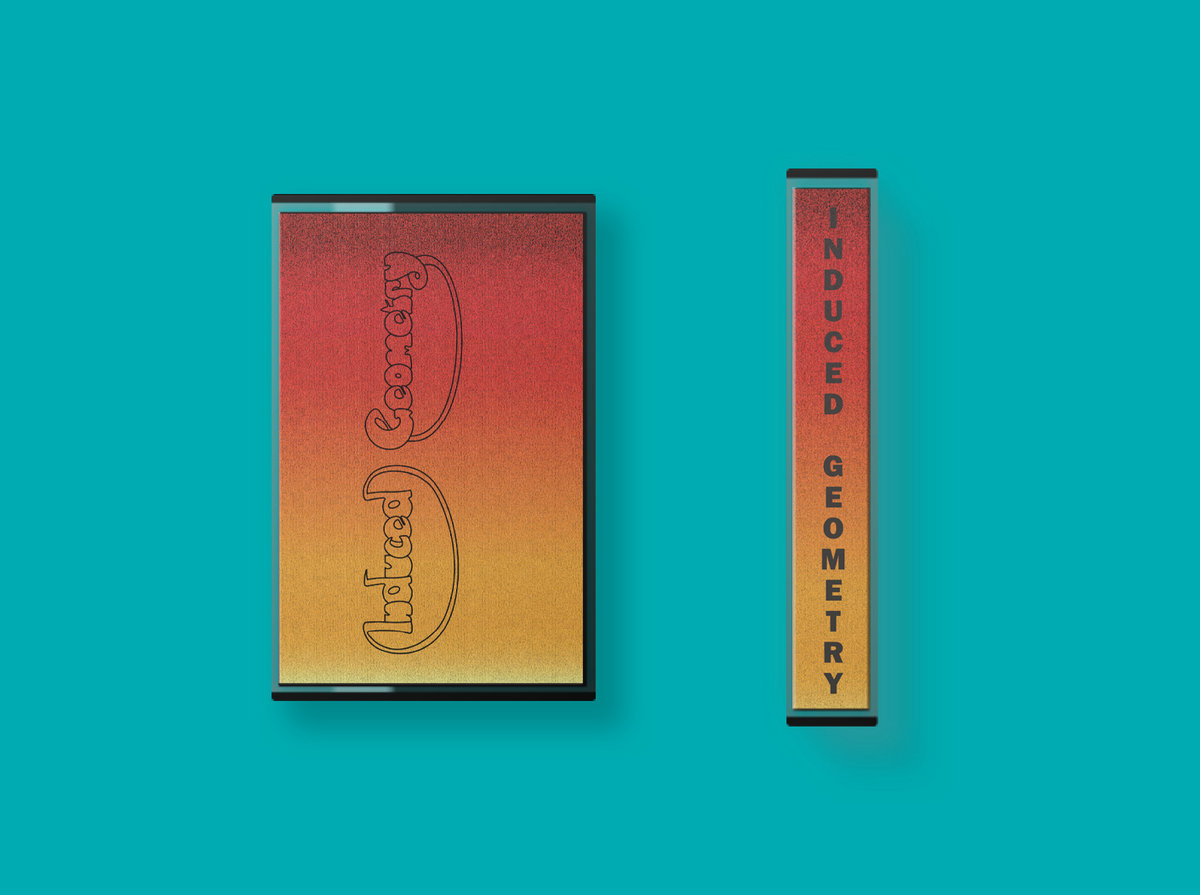
Whether or not Dan truly needed to escape, he certainly receded in his work as Induced Geometry. On his self-titled tape for Trouble in Mind, Dan “began this project trying to make static, featureless music that was the same in all directions – isotropic, geometric, devoid of feeling.” Channeling “the minimalist composers” (while also apologizing to them, which he didn’t need to do at all but was a nice gesture nonetheless, just in case), Dan creates synthesizer patterns that repeat and fold, skimming and shivering soundwaves that conjure up primitive 3D computer graphics, or at least early attempts at MS Paint design. Hanging on tones and motifs until they merge with imagination and become decorative scaffolding on which more tones can be hung if they need to, Dan twiddles knobs and presses buttons and adjusts plugins and applies filters, all in the service of making sense of the inner workings of his private, non–Writing Squares existence.
But Dan is a total and complete failure. See, his initial attempts at “featureless” and “devoid of feeling” electronic experiments quickly became something else, and while there’s a bit of antisociality to the results, Dan himself has done a complete 180 on these tracks, calling them “some of the most personal [pieces of] music I’ve ever recorded.” They’re certainly labored over and well considered, and it’s easy to imagine the interiority of the process of crafting these works. Dan clearly turned inward and excavated a part of himself that he fashioned into the music, giving it a poignancy that perhaps he didn’t intend at first. But, fortunately for all of us, we’re left with a lot more than just “minimalist electronic synth music” for which its creator felt the need to (again, needlessly) apologize. Instead we have one person’s account of rejecting spazz and embracing personal calm, to our total selfish benefit as an audience. We should be so lucky to find such tranquility within ourselves.
This tape is Trouble in Mind’s Explorers Series vol. 31, and it comes housed in a lovely thick cardstock O-card that looks foil stamped – but isn’t! Great presentation.
Induced Geometry – self-titled
10.30.23 by Ryan Masteller
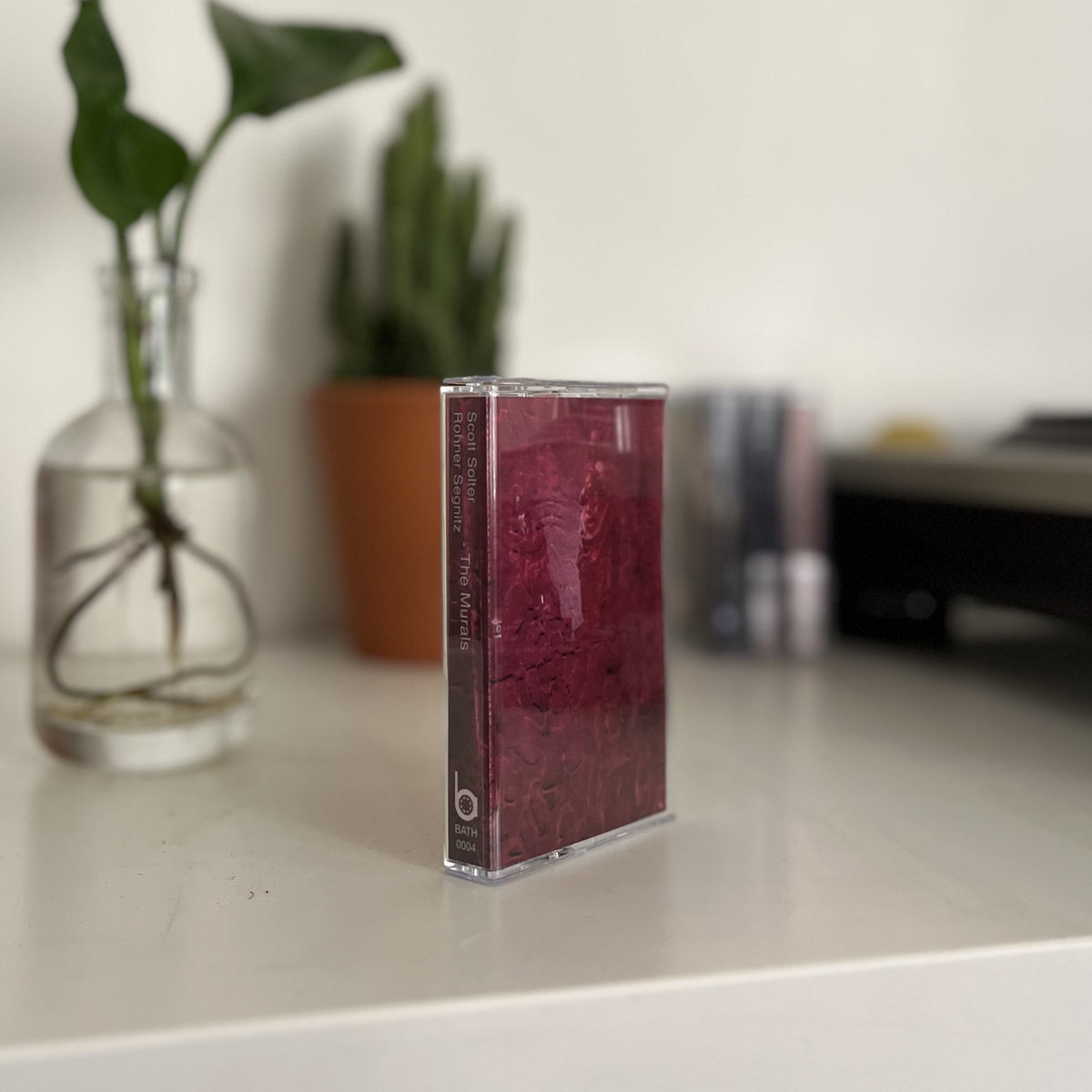
Scott Solter & Rohner Segnitz – The Murals
10.25.23 by Ryan Masteller