Tabs Out | Autophonia – nolite te bastardes carborundorum

Autophonia – nolite te bastardes carborundorum

4.15.19 by Ryan Masteller
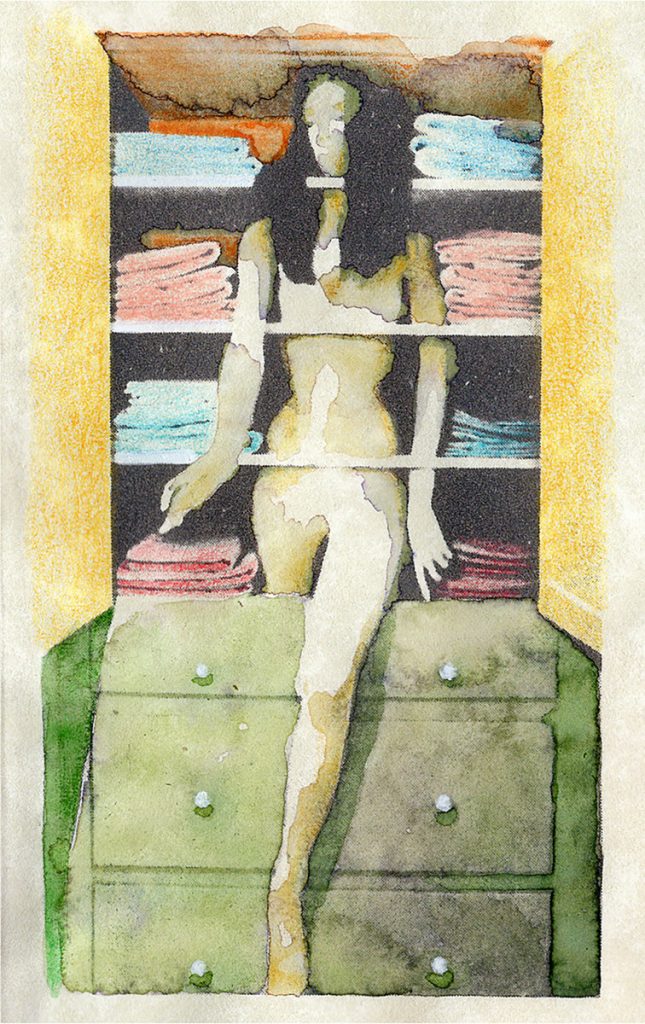
When drones (the musical ones, not the remote-controlled helicopters) come to you, they often come as they are: serene, scenic, deferential, polite, gentle, constant, rich. You don’t have to guess with a drone. You don’t fool around with sound sources or intent – you just let that drone wash over you and release the feelings that it’s supposed to release. A good drone moves effortlessly, without any friction tugging at its progress.

I once believed these things fully, but I’m not sure I do anymore.

Autophonia’s drones are incredibly complex, acoustically derived, and emotionally resonant. The trio, “consisting of Jennifer Slezak (mandolin and violin), Jen Powers (hammer dulcimer), and Stephanie Dean (accordion),” improvised these five tracks – improvised them! – as if the sounds had been living within their bodies all their lives. The moment these three performers entered the studio together, the sounds, like spirits, exited their bodies through their instruments, only to be captured by the recording engineer through the dark magic of the studio switchboard. From there they were transferred to cassette tape, from which audio emanates that almost assuredly assumes corporeal form as soon as the encoded material traverses the tape head. Surely the music hear lives and breathes in some capacity long after the moment it’s heard.

These are no mere drones – they shift perceptibly at the players’ command, taking on shapes and textures that fit more comfortably into the nooks and crannies between post-rock bombasts. But the absence of the one doesn’t define the other – the gentle ruminations of “nolite te bastardes carborundorum” defines itself, “a document of a live performance” – an organic unfolding – “not a studio creation.” And although “nolite te bastardes carborundorum” does indeed translate to the very post-rocky “do not let the bastards grind you down,” it holds on to that hopeful sentiment that there’s a space beyond the drudgery and violence for solace and rest. Now THAT I believe – and once you hear how Slezak, Powers, and Dean deftly and discreetly join forces before repurposing a seeming delicateness into real emotional power, you’ll believe it too.

Available now from Scioto Records.
Tabs Out | Episode #141

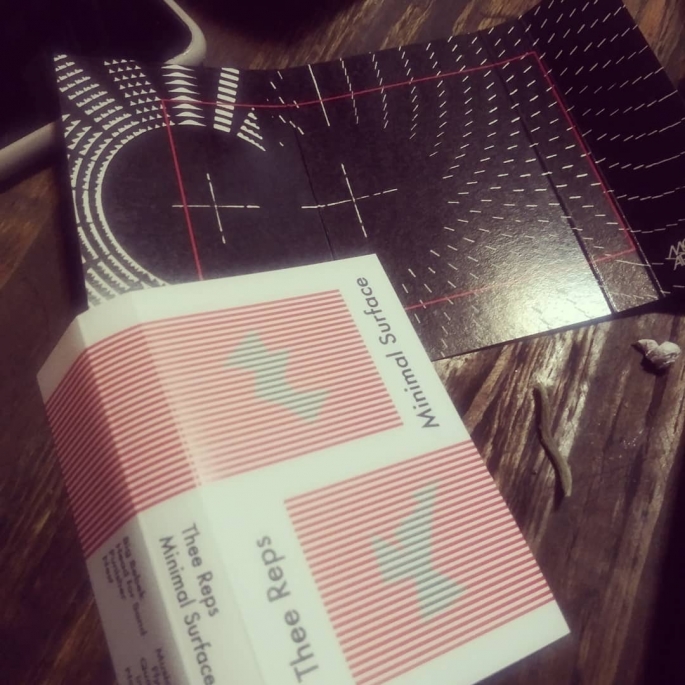
Thee Reps – Minimal Surface (Gold Bolus)
Elizabeth Joan Kelly – Departure 2019 (self released)
Jonathan James Carr – Lose Your Composer (Moss Archive)
Nikmis – split w/ Synth Sisters (Muzan Editions)
TIMT Ft. Haruki Ishida – Bless Vol.2 comp (Inner Oceans)
Nymano – Bless Vol.2 comp (Inner Oceans)
Oatmello – Soft Landing (Inner Ocean)
Dead Tenants – II (Already Dead)
Dos Monos – Dos City (Deathbomb Arc)
dtub- – Midi-Drum Compositions-4 (self released)
Grave Dust – Pale Hand (Children Of The Abyss)
R. Stevie Moore – There Here (Banana Tapes)
Eartheater – Doom Mix Vol.III comp (Doom Trip)
Swan Meat – Doom Mix Vol.III comp (Doom Trip)

Tabs Out | Arrowounds – Book of Endangered Species

Arrowounds – Book of Endangered Species

4.12.19 by Ryan Masteller

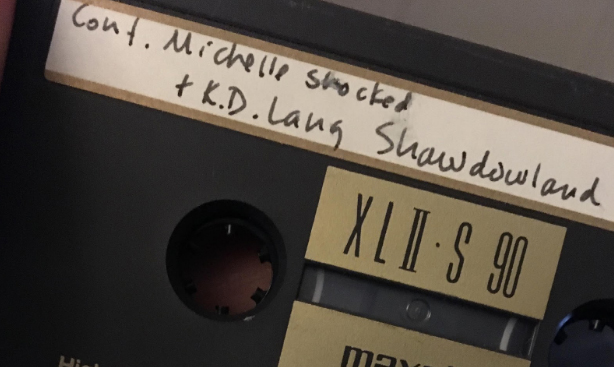
Recycling is good. It’s good for Earth. It’s good for the environment. It makes you feel good doing it, because it makes you feel like you’re a part of something bigger than yourself. Histamine Tapes is a paragon of the waste-not/want-not philosophy, regularly repurposing old tapes for their new releases. For Arrowounds’ “Book of Endangered Species,” the label home-dubbed some reclaimed 90-minute cassettes, mine in particular being an old Maxell XL II-S, totally taking me back to middle and high school, when I made tapes of as much of my friends’ record collections as possible to listen to on the bus or in my car.

Taking me nowhere, though, is the sticker on the B-side, which reads “cont. Michelle Shocked + K.D. Lang Shadowland.” Now there’s two artists I never found myself drawn to.

I am much more drawn to what Ryan Chamberlain’s Arrowounds project’s got going for it. On “Book of Endangered Species” he aligns with another powerful Ryan – me – in pointing a bony, gnarled, accusatory finger at “pollution, greed, neglect, and a denial of science by those in power” as the culprits of “the continuing destruction of our natural world.” I am drawn to the homespun charm of these seven ambient, electronic tracks, their lo-fi atmospheres at once charming yet challenging. They operate in stark contrast to sounds of titanic industry or rampant capitalism, which I imagine sound something like a mix between computer bleeps and wet farts. But the natural world beckons with static and flow, with water, wind, and air, with harmony among its constituent parts. Chamberlain offers us the sonic equivalent of that, the alternative to techno-future oblivion.

Each copy of this edition of 30 is different. Only five left!