Tabs Out | What’s Up With Island House?

What’s Up With Island House?

3.10.23 by Matty McPherson

I’m not on Bandcamp’s Tape Label Report. In my opinion, the whole thing exists as a ghetto to allow a handful of writers to say “wow look at this label” without really ever getting into the meat of the whole thing. It’s publicity for small endeavors, which is always a good thing I believe, although it also feels like you’ve got writers taking a nominal fee to either a) tell you a label with 400 releases is “really cool” (see Marc Masters writing about Already Dead, which seriously dismayed me in how it boiled Muave down to far too few words with a limited perspective) or b) tell you a label with 5 releases and a barely defined aesthetic is “the next big thing.” This is borderline windowshopping “scene celebrates itself” shenanigans I see all the time in San Diego beer journalism, except it is online on the Epic Games owned website that’ll now have a radio station in Fortnite. As such, I rarely feel like i’ve learned anything at the end of the day or found a new salience. Why do these labels being highlighted…matter?

In truth, move beyond my my finger wagging and bellyaching above. If you want to figure why something matters, well you should go out and find for yourself! Such was the case I found myself with Island House. Self-described as “a little label based on a little island in the East river,” run by a cool dad who’s a self-described member of the post-wook revolution and has released to this day…9 releases.

But it is with a light heart that I can say the 9 releases are THAT terrific; against the grain, what Tim McManus is curating has legitimate heat and stakes. He “started [the label] in 2022 at the behest of his guitar teacher and online friends,” which again perhaps explains how Island House probably made some absolutely insane mogul moves so early on. Getting Steve Rosborough of Moon Glyph to do art on your first release is a power play. Having M. Geddes Gengras, Jeff Tobias, and Jen Powers of Astral Editions write liner notes are also huge net gains. He has European Distribution for select titles. At release 5 Island House did a comp where 37.5% of the material was just German Army cuts alongside Andrew Weathers land art + Prana Crafter “going psych mode.” Like pretty much all he needs is just ONE Patrick Shiroishi tape by the year’s end and Island House officially acquires the “American Tape Label Triple Crown Hat Trick” award good mother of god. Maybe Joe WAS right!

Now, I was able to share a lovely phone call with McManus back on Sunday 2/19, as he stepped out of one room where he was staying in the Hudson Valley that weekend, to talk shop about the label. McManus has had quite the past 3 years, both through new fatherhood and slowly taking account of both local rumblings in New York City & the Hudson Valley; he had moved from a tiny apartment in Roosevelt Island out to Harlem when an opportunity for more space presented itself. There were quick, snappy mentions of a new Kent Ave space, 411 not 285, where David Watson’s Shift has taken up space for eclectic arts, as well as the Pit, a space run by Jim McHugh from Sunwatchers. McManus has been going to these shows, clocking names and faces, partially thanks to one extroverted conversation after another started by Zack Hale; all while even jumping into amateur DIY gig booking that included a rather successful donation gig.

McManus’ ties to both the DIY rumblings in NYC and the Hudson have been crucial in garnering the courage and gumption to go deep into his own label. At the moment, Island House would not exist without the immense support and keen ear of people running from those who are booking at the spaces above, Mr. Hale, Ryley Walker, Jeff Tobias, Mike Horn, numerous Twitter mutuals (including one Aquarium Drunkard writer in the city), amongst many others have all played a role in McManus taking the label to this current stage; it’s an era of mutual help and the strength of weak ties being played to its fullest. There’s a wealth of information and resources these folks have tapped into, reinforcing a belief both McManus and myself share, the kind that “any kind of experimental scene that’s not from your normal…that’s where im happy.” McManus is humble though, repeatedly emphasizing during the call “I’m just trying to get the music out there” working with the goodest of good goobers he can afford. CDs may be coming soon, although vinyl is a pipe dream; the expense and sourcing right now is too hard to make the calls for. Oh, and he’s a stay at home dad wrapping up a college degree; I can attest to brief blips of that struggle!

So in 9 releases, as a result of these connections & reception, the label has actually been able to position itself at a stronger advantage than other tape labels I’ve noted. Most notably (and centering everything), there’s the tape j-card art. While the Steve Rosborough design of IH-001, a Seawind of Battery release, was a one-off (planned to be reissued to match the current aesthetic), McManus quickly sought inspiration and design aesthetics from Astral Spirits. As such, Island House quickly sorted out a design that allows for artists to submit their own art, while also keeping a uniform “peachy” label. Such is going to standout, especially when Island House has taken the bold steps to garner European, Australian, South African, and even Japanese distribution in varied capacities (one tape even made it’s way to Palace Music HQ). Tapes down there that quickly? Well, McManus is going a day at a time though, as he considers which release is next on the docket, who’s to pen the liner notes, and just what kind of local community he wants to spring from Island House. The roster right now stands as a result of a web of connections and admiration; for example, it was J. Moss of the Modern Folk who was the one who shepherded that aforementioned compilation to the label for last year. Two releases down the line set for spring are to feature…vocals! McManus is wagering they may have a stronger reach than the instrumental folk sounds the label has chased so far.

As such, it explain how Island House has been able to practically blast off in under 9 months. A wealth of connections, ample good will, and most necessarily, the space and (personal) time to take on this endeavor have given McManus’ label a chip on its shoulder. To me, Island House is the timeless story of DIY being played out in the best of ways: someone realizing they can be their own curator and documenter, using a web of connections to jump into the fray, and going one release at a time. We’ve lost some great labels over the past two years: Ingrown Records had to shut down due to life changes, FTAM finally decided to close up shop as Peter Woods moves across the pond to teach in academia; meanwhile, Garden Portal’s terminal hiatus doesn’t exactly inspire hope for what the Athens, GA maverick’s trajectory is. Yet, what I’ve listed above gives me ample hope that McManus has picked up that torch and will hopefully continue to ignite happenings around the Hudson, NYC, and far around the globe for as long as possible.

Anyways, here’s 3 quickies on the January, February, and March releases.

David Cedolin – Ligurian Pastoral

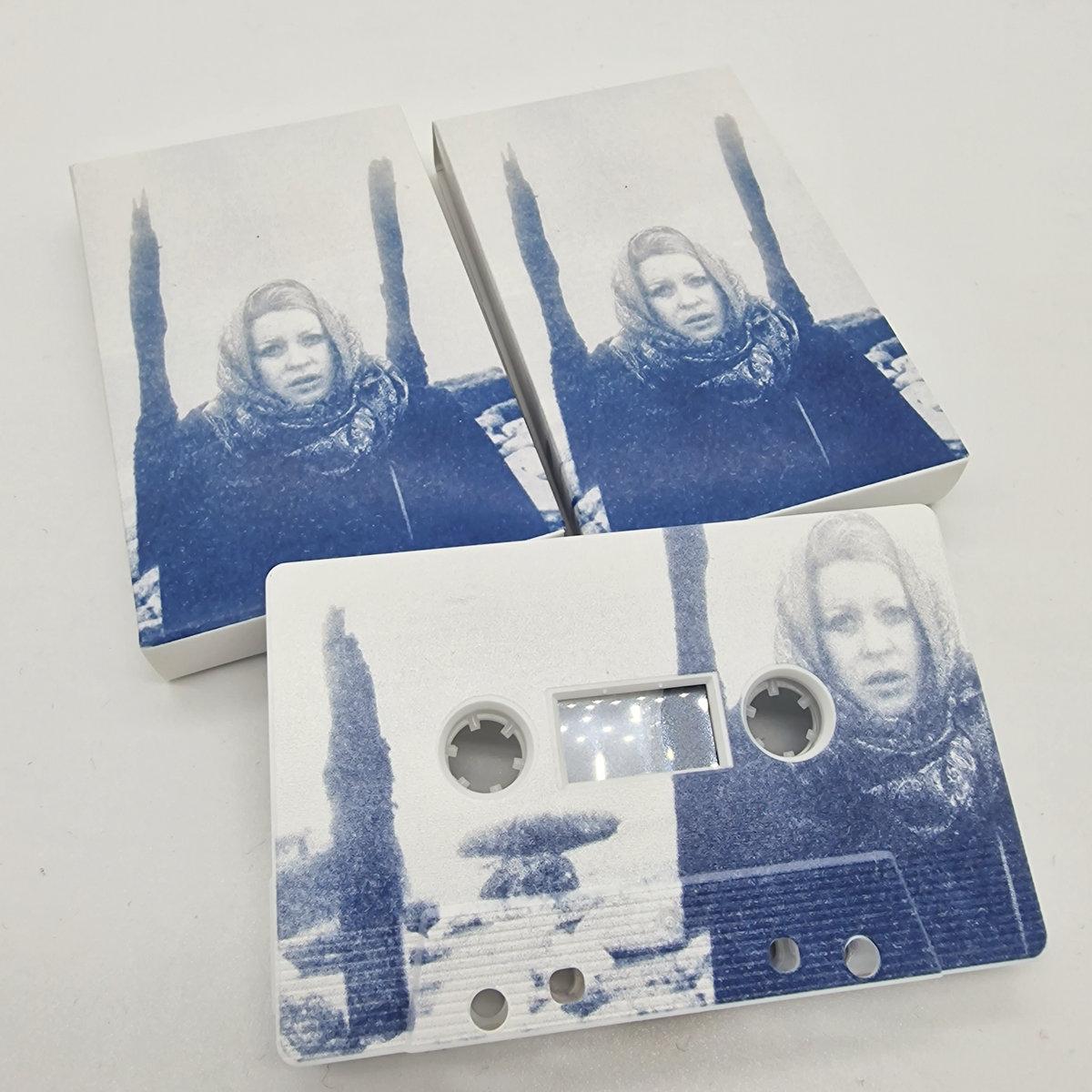
Genova, Italy-based Davide Cedolin brought Island House into 2023 with Ligurian Pastoral, an acoustic guitar release with the harmonic potency of sounding akin to being nestled up in the guitar. Half a world away, Cedolin has been settling into the Ligurian region, and Ligurian Pastoral is a tribute to that “tight and bent strip of land between the Ligurian sea and the Apennines mountains”; you could call it a mediterranean climate. The 7 cuts are simple instrumentals that unfurl with brilliant grace; a small drone or reverberation here, a touching astral projections from Seawind of Battery on cuts 2 & 7 there, a gorgeous litany of rustic harmonies at every turn. For a Pat Metheny head, you’d probably find a smidgen of jamming here too! Everything works to create a situated response and mapping of Cedolin’s current homestead, while also leaving an incredible amount of space for pondering and considering. This tape is autobiographical after all, refractions of daily routines, faces, and landmarks that words often falter when attempting to explain the gracefulness of; the vibe is something that you make of it. This winter, San Diego county has had a bounty of storms this winter. Ones that which our rapidly disappearing (see the word “aridification”) Mediterranean climate glisten back to life for brief spurts. When I listen to this tape, all I see are outside are a rainbow of greens, my own pastoral that that this tape gives me thanks for.

Emergency Group – Inspection of Cruelty

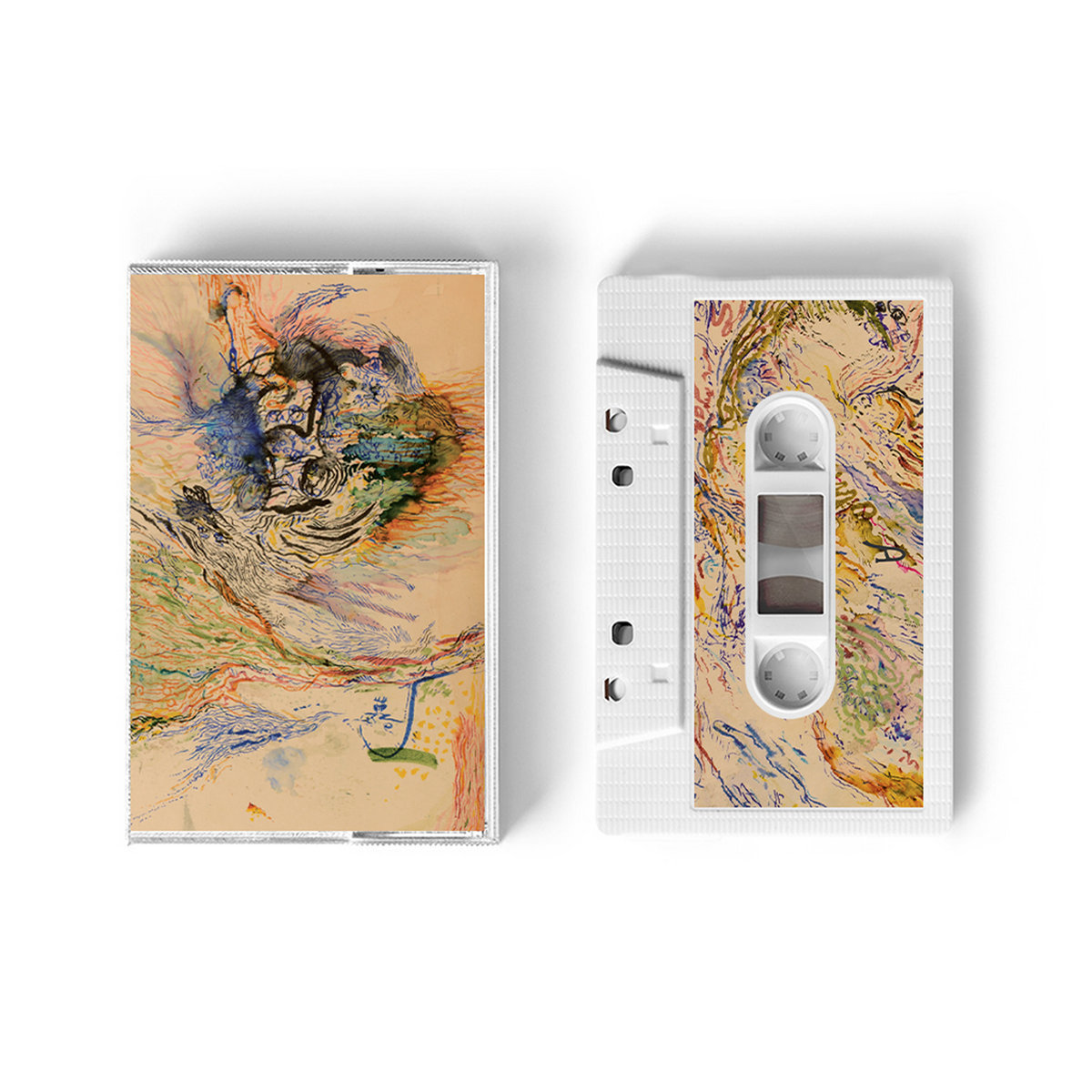
The quartet of Robert Boston (keys), Andreas Brade (drums), Jonathan Byerley (guitar), and Dave Mandi (bass) sat down on November 2nd, 2022. This is what followed. And what was that exactly? A 46 minute krautjam rock sesh, one held together by motorik drumming and an absolutely free-wheeling sense of open armed love and magic. Of the three releases spotlighted here, Inspection of Cruelty, is the deepest of deep zoning sessions the label has provided to date. The two parts of Inspection of Cruelty are ample enough to work on their own without the connecting piece, yet taken together you have an ample piece that sees each member figure their own aura. Over the course of the 46 minutes, each player is offered ample time to excel at a solo moment as their brethren tune down and lower their instruments either to a one-track mindset or fade out entirely. What results is a fully-fleshed, breathing document of the Emergency Group. In its best moments, Mandi holds down a bass groove, Brade locks into a cymbal rush or lays down a new fill-line, and Boston cranks out key noise or Byerly takes the guitar and wails. Or…they just enter that Autobahn cruise mode where you ride a riff out because it just sounds so goddamn pleasing and flush with flavor. Inspection of Cruelty is not going to create any new krautrockheads, but more or less just confirm how deep of one you already are if you’ve made it this far.

Joseph Allred – For the Fallen Dawn (to be released… soon!)

A tape of acoustic guitar (not quite, there’s more than one stringed instrument)? Takoma school indebted (perhaps, have you seen his CV)? Featuring a poem by Jen Powers (they’re label alum after all)? Are we sure this wasn’t an Astral Edition?! No no! For the Fallen Dawn is a continuation of Joseph Allred’s slick guitar acoustics and natural ambience that have been featured from Garden Portal to Scissor Tail and even Feeding Tube; he’s not exactly a celebrity, although you garner the sense Allred’s style is “discogs bait price” worthy as many of his tapes have become collectables. For the Fallen Dawn has the same pleasure that I found when I was deep into Ross Hammond’s brilliant cassette for Full Spectrum last year. Over 36 minutes, Allred plays to the night sky and ambience of the local crickets and rustling critters in the bushes. 8 cuts are split between 2 modes: short snippets, duets meant to bring in space for the ambience to fulfill and counter, amongst wild sprawling 7-9 minute guitar epics that contain all the stoicism a mighty fine 10 gallon hat can afford. The pleasure are simple and ample, overflowing even as Allred unites strains of country and folk into a sprawling psychedelic vision of his own accord. Ladysthumb and None Are Born or Die are favorites, cunning moments where he launches into an acoustic freakout that sends a jolt to my system.
Tabs Out | Multiform Palace – New Form Harmony

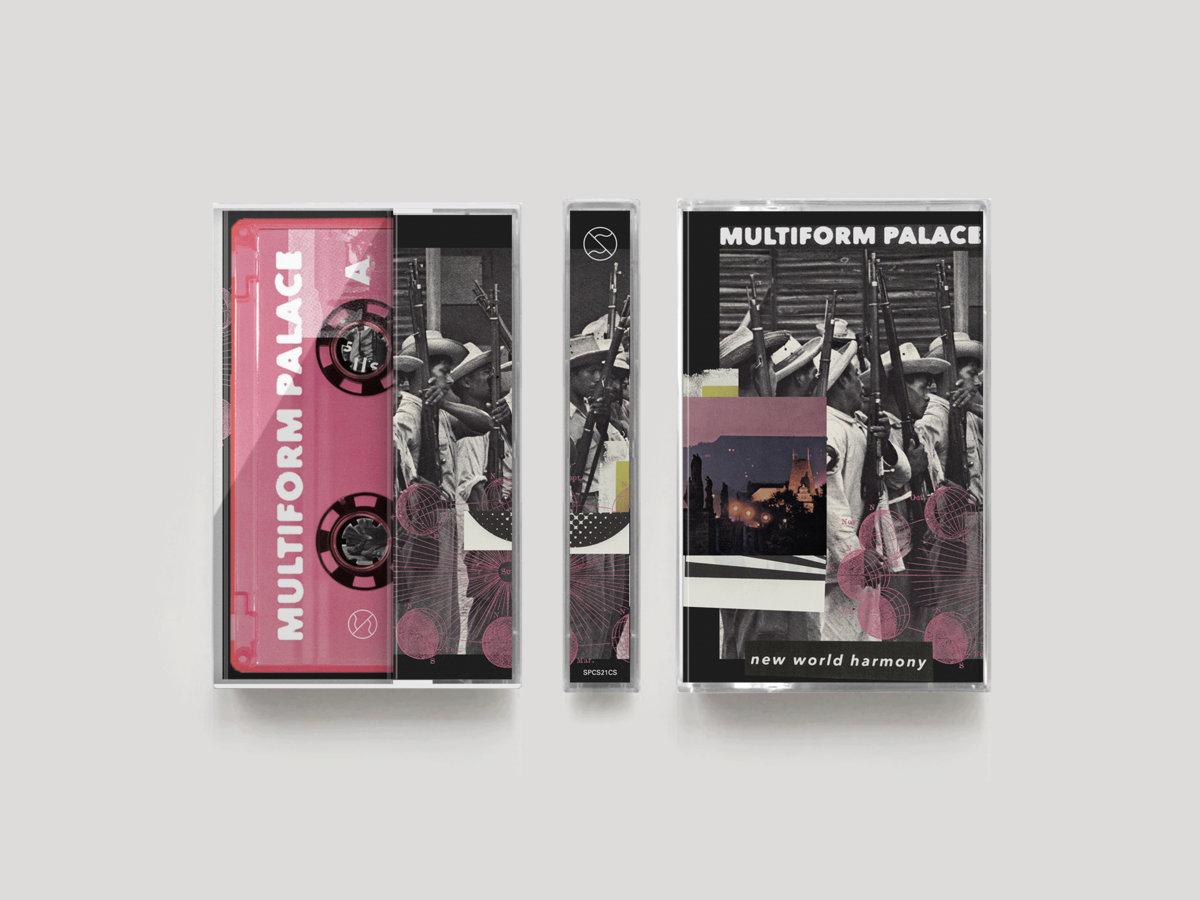
Multiform Palace – New Form Harmony

3.8.23 by Ryan Masteller

With all this talk of defiant jazz, I can’t help but thinking that Brooklyn’s Multiform Palace is riding the crest of the wave into eternal success. You can’t fault anyone for doing such a thing; you grab a hook, you make that hook work itself into everyone’s subconscious, until you’re just walking down the street one day and every jerk on the block is humming the hook you came up with. It’s an absolutely foolproof, solid gold, #1 business plan for the aspiring musician to follow. Can’t fail. Eternal success.

Multiform Palace feels like the perfect conduit for a defiant jazz typhoon. Cutting and pasting (which is called “sampling” to those of you who venture beyond Microsoft Word) from generously hooky sources (none of which I’m at liberty to divulge, if in fact I knew what they were), Multiform Palace slow-cooks a head-nodding jam sesh and lets it marinate in the tape deck in the sun. What results is a generously basted and righteously smeared kaleido-topia, famously crackling with the sharpest beats. It comes off as something that SHOULD be on the 100% Bootleg label, right next to the latest Mid-Air! joint. 

Adding a little EXTRA defiance is the fact that Multiform Palace got “voices, ideas, and inspiration” from The Guerilla Art Action Group’s 1970 action interview on WBAI radio (which has actually been released on vinyl). Read a little bit about their works “Blood Bath” and “And Babies” in protest of the Vietnam War and the MoMA board’s complicity in and ties to companies involved as proponents of it. As our friend Dr. Peter J. Woods is fond of saying, FTAM! (I think that means something against art museums, and there’s a bad word in there somewhere.)

Tape out on Specious Arts – what are they gonna bring us next?

Tabs Out | Genital Shame – Lion Piss + Arm Vulnerability

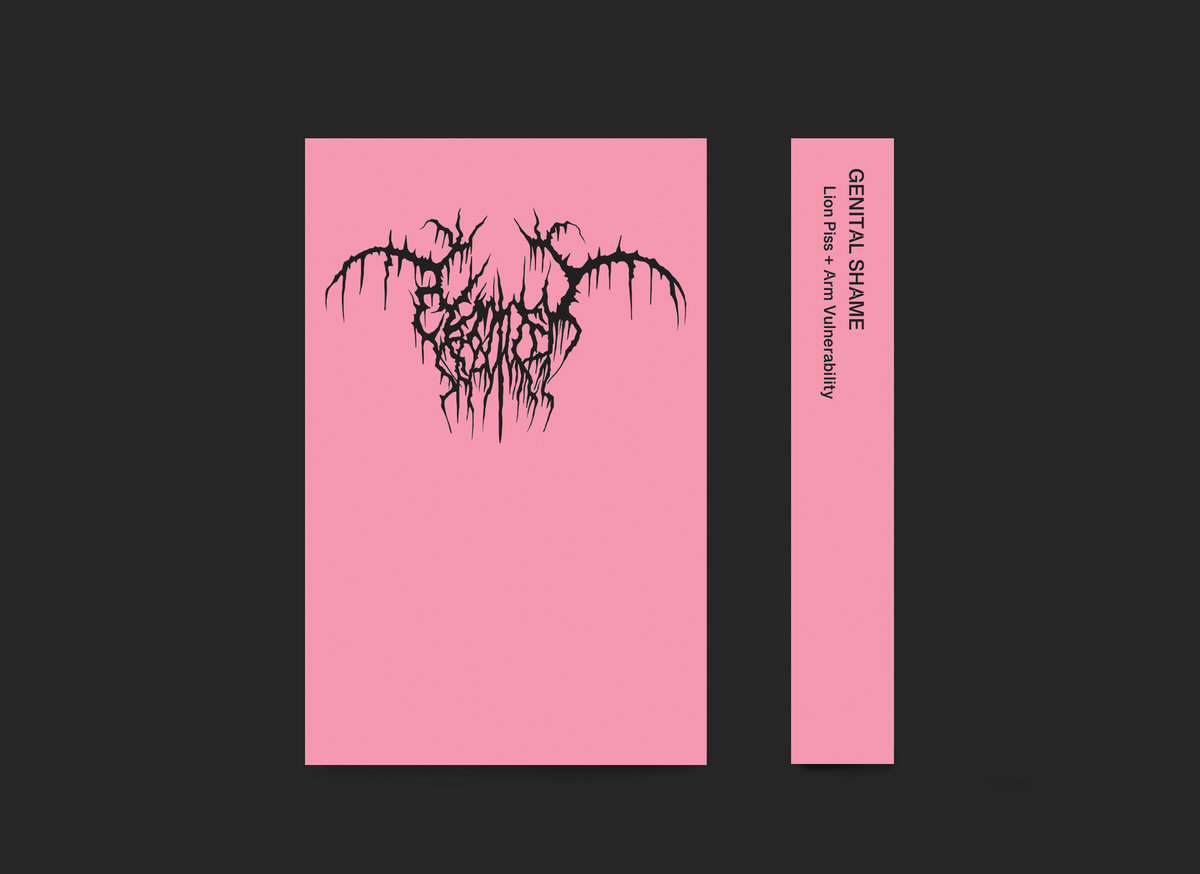
Genital Shame – Lion Piss + Arm Vulnerability

3.6.23 by Matty McPherson

There was a point before my decent headphones broke and the holidays happened and it was suddenly the middle of February. It was a sunsoaked November day before Thanksgiving and I had to leave the house; I needed a book I had spotted a week earlier in Berkeley that I knew was only a bus trip away. I had been on something of a Scarcity kick around that time, with a burgeoning interest in Aveilut’s symphonic characteristics that often pushed the music out of black metal and into straight gothic industrial noise scowling. There was a thought line and even immense nods to downtown music that I was inkling with more than approaching it from straight black metal tropes. It reinforced a personal belief that the fidelity and speed of the tape are second to the pure underlying riffage and unique displays of intensely carnal visions. That is when I mend with black metal in the present.

I was a bit dazed I’ll admit, especially when I had finally taken a dive into Genital Shame’s Lion Piss + Arm Vulnerability cassingle/EP type beat. When I heard it back then I was gripped by the ambience, a different intensity outside of immediate black metal sound aesthetics that gave me something to grip on to. For, West Virginian Erin Dawson and her C15 is a concise, deft batch of homespun cuts that display a sound palette that is not so much as going full into black metal, but seeing it in a larger tapestry that connects to varying intensities of Dawson’s own endeavors in her life. To make this music is a personal project and approach it from this manner can be seen as a critique, but that can often miss reveling in the noise of a singular entity so esteemed and precise and Dawson.

Her sound is still perhaps assuming an evolved form beyond what we have been left with today. This is not appalachian folk-tinged black metal, nor symphonic black metal, nor blackened pop metal; Dawson’s 3 cuts err closer to though to the revolutionary “last flag standing” apocalypse worlds of Constellation Records. The emphasis on acoustic guitar (specifically during the final cut) put it more towards Mt. Silver Zion’s somber soundscapes, with tingles of the raw catharsis that has always defined Efrim. However, both Gnostienne and Ego non sum trust-fund puer recall the work of the sorely missed Lungbuter–not exactly a metal outfit mind you, but an absolute wonder trio when it came to fuzz. And across those swift blast beats and moments of jagged droned out ambience, there’s a lotta fuzz on the hi-fi. And yet, these 3 cuts all retains a carnal, jagged vision that also entices and invites comparison towards code-breakers (Liturgy), agnostics (Sprain), and revolutionary spirits (Agriculture) without playing to black metal trope adherently. Needless to say, it fits well with that weird lineup of Flenser tapes I’ve started to amass, and is quite pretty as the newest Pink Tape in the collection.

The tape sat in a holding cell without much of a second consideration of when to revisit or WHY NOT revisit it daily. I’ve re-opened the tape for the first time in a few moths and I’m still entranced by it’s simplicity. More than a mere proof of concept, Genital Shame’s “Lion Piss + Arm Vulnerability” is a staunchly gripping introduction to Dawson’s work. From its snarled swagger to acoustic vulnerability, whatever she’s cooking with down the line is to be of consideration.

Limited Tape Available at the Genital Shame Bandcamp Page

Tabs Out | Episode #186

Episode #186

2.24.23

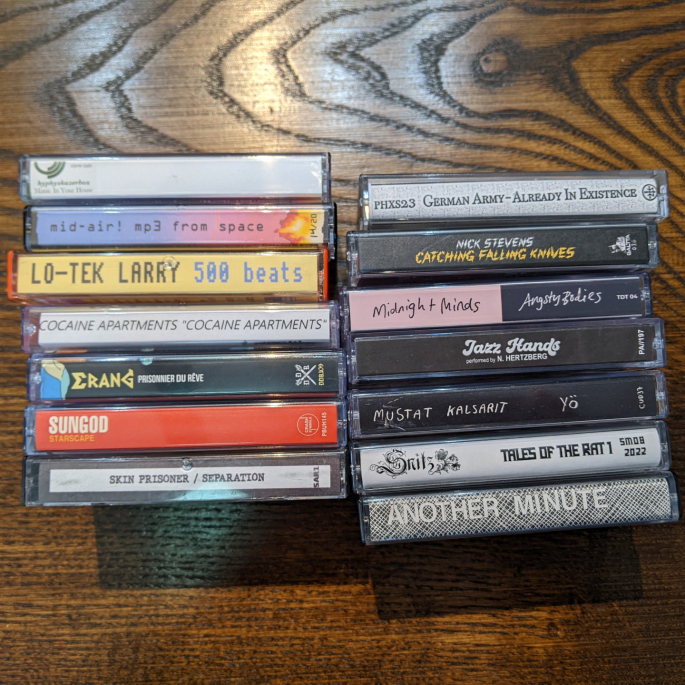
hyphyskazerbox – Manic In Your House (Suite 309)
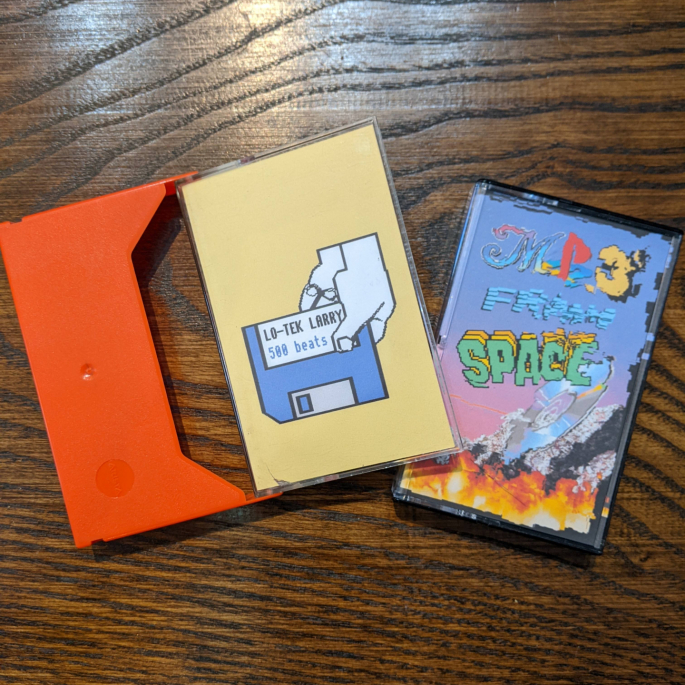
Mid-Air! – MP3 From Space (100% Bootleg Cassette Tape Company)
L0-Tek Larry – 500 Beats (100% Bootleg Cassette Tape Company)
Cocaine Apartments – s/t (Moon Myst Music)
Erang – Prisonnier du rêve (Dungeons Deep)
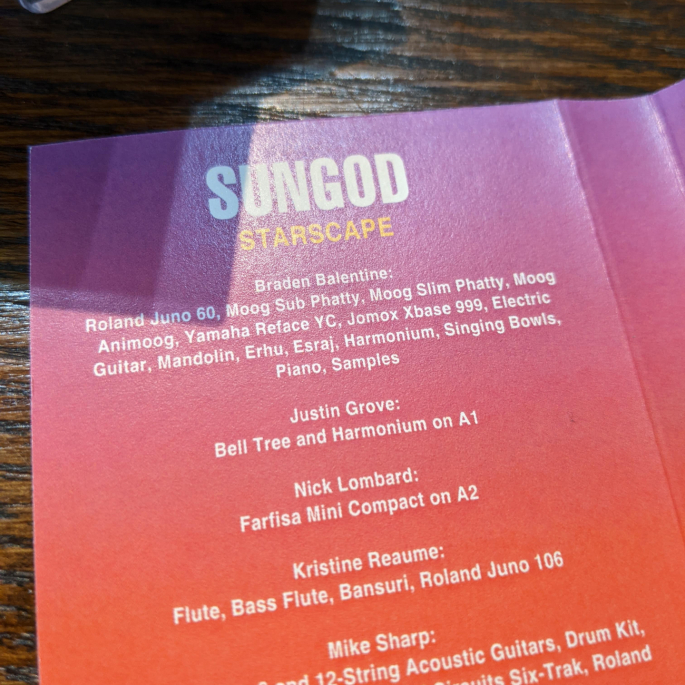
Sungod – Starscape (Crash Symbols)
Skin Prisoner – Separation (Soft Antagonism)
German Army – Already in Existence (Phormix)
Nick Stevens – Catching Falling Knives (GALTTA)
Midnight Minds – Angsty Bodies (Tone Deaf Tapes)
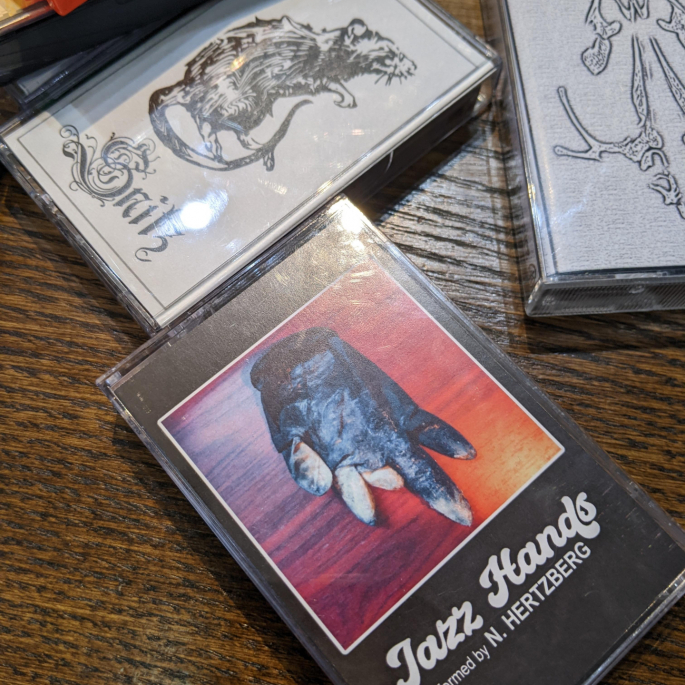
N. Hertzberg – Jazz Hands (Personal Archives)
Mustat Kalsarit – Yö (Cudighi Records)
Snitz – Tales of the Rat 1 (Strange Mono)
V/A – Another Minute C1 Compilation (Breathmint)

Tabs Out | Dane Law – Blue Forty-Six

Dane Law – Blue Forty-Six

2.17.23 by Ryan Masteller

I’m kind of a goofball. I know, I know, that probably comes as a surprise to most of you reading this. But seriously, I like to have fun sometimes, I like to take trips, vacations, all that good stuff. But if you think I’m the kind to pack swimsuits and boogie boards and beach chairs and volleyballs into the old family vehicle and head on down the shore for week of fun in the sun, you’re sadly, possibly fatally if you’re not careful, mistaken. You see, I’m the kind of fellow who prefers the colder climes, especially in the offseason – the remoter the region, the better. I’m all about bundling up and experiencing the sheer environment, the terrain, the place. I want to FEEL where I am, and by that I don’t mean the sun beating down on some crowded Jersey oceanside tourist trap in July. I want to breathe it in, become one with it. Gimme Alaska, or, heck, gimme ANTARCTICA for cryin’ out loud LOL – that’s where I want to go.

I think Dane Law has a hankering for Earth’s southernmost continent as well, and his sparse arrangements – sampled and processed acoustic guitar – complement the loneliness of outpost life in the few livable spots to be found there. There’s McMurdo Station overlooking McMurdo Sound, an inlet that’s apparently the southernmost navigable waterway in the world. Just don’t try to traverse it in the wintertime! (Seriously, it freezes, and winter in Antarctica is in June, July, and August, so don’t be fooled into thinking it’s warm down there.) There’s Mount Hope, part of Eternity Range on the Antarctic Peninsula. There are ice shelves and frozen wastes. Shackleton and Mackintosh and the other explorer folk would recognize the references in all these song titles! They’d probably feel a sense of deep emotion and nostalgia too (or maybe trauma – those early expeditions were tough ones).

The minimal accompaniment is beautiful in its composition, but you’ll never believe how Dane Law got there! He recorded individual notes from an acoustic guitar and then sampled them on a computer, and from these he composed gentle, spindly sculptures that freeze rigid in the unending wind blowing off the Antarctic ocean. These intricate, crystalline sound structures are as delicate as they are resonant, and they sparkle in the cold sun as if they’re infinitely fresh and sonorant. Breathing while listening fills my lungs with ice, and the cloud formations of my breath plume into my heated suburban home as if physics were a mere suggestion. I am out there, goggles down, hood up, ready for anything. Vacation, owned!

Well yeah, this is a pro-dubbed C40 in maltese cross-style packaging with all-over onbody printing. What the hell else would it be? Out now on Blue Tapes!

Tabs Out | OPLA – GTI

OPLA – GTI

2.16.23 by Matty McPherson

About a year ago I contracted the first in a trilogy of food poisoning adventures that marred the year 2022. There is no fondness or nostalgia for these days, just a buttered-up sense of apathy. This first incident was noteworthy in that it seemed to correspond to the time when the family’s Bosch dishwater did what all mid-00s bosch dishwasher are prone to doing: catching fire and (almost) causing an irreversible damage to the current state of affairs. It crackled and coughed up a black lung when it caught fire that night, creating a raw carnal smell that still echoes a year on; I still find myself in that catatonic food poison shock scarred by the noise. Although I’m not certain I really miss the old Bosch now that we have the new Bosch, nor if that this story has anything to do with the latest release from Polish-based Pointless Geometry cassette label, OPLA’s GTI.

Well maybe the C34 is having these memories run amok again because of the sound palette. Hubert Zemler (drummer/free improvisor/compser) and Piotr Bukowski’s (guitarist/composer/film score enthusiast) work as OPLA is supposed to be a “reinterpretation of traditional Polish dances”; if you’re a regional music head then you’ll likely raise a hearty glass towards the oberek phrases and tripartite metros embellished within this electronic sound of plastics. In other words, yes the “folk music” here sounds akin to the family’s Bosch giving up the ghost during that fateful terminal dishwasher cycle. Over the course of 6 tracks, Zemler and Bukowski marry the abstract to these patterns and movement, both finding a rigidity flourishing as well as a space for the eerie.

There are, in other words, two logics at play. Take a cut like LOP for instance. On one hand there is an arpeggio that moves akin to a 16-bit platformer that gives the piece its core. Yet, on top of that palette are the percussion “booms” and “clanks” that appear on their own logic and with the sharp crash akin to what a synthesizer afforded Keith Levine on PiL’s Careering. Meanwhile, FAX bleeps and bloops as jagged guitar glides over and improvises a heart to this movement. YPN’s one cantankerous synth loop fences against guitar jitters and hi-hat debris that swings uptempo and flourishes with curiosity. RAM is about the only cut that strips back the electronics to present rudimentary loops and clanks akin to a dusty folk sound.

These kind of patterns–deep listening synths and hyperrealist POPS–that give GTI its deftness and a gripping listenability. It begets a dance music, but the context it comes from has been warped through mechanization and industrialization. What’s left of those Polish dances is akin to showing up to the ballroom at 3AM instead of 3PM; all that’s left is a low drone of an HVAC and a scratchy karaoke machine no one loved enough to return and get their deposit back for. The spaces between become something new, akin to washer cycles and daily alerts flowing like ephemera. OPLA might be capturing a modern tension as much as expanding a regional sound into electronics to find a new truth of sorts within the routinization such tools offer. What I do know though, is that it won’t catch fire and suddenly explode on me. At least I hope not.

Tapes Sold Out at the Pointless Geometry Bandcamp!

Tabs Out | Little Baby Tendencies – Bad Things

Little Baby Tendencies – Bad Things

2.14.23 by Zach Mitchell

Vulnerability is an important part of art, but the ratio of vulnerability to anger is the balancing act a lot of modern punk bands find themselves wrestling with.  A vulnerable songwriter is an open wound, all burning and aching with the hope of healing resolution at the end. Sticking the landing, ostensibly, is what separates Great Art from catatonicyouths Instagram posts. Cringe is freeform vulnerability and self -serious artists tend to shy away from anything resembling embarrassment.

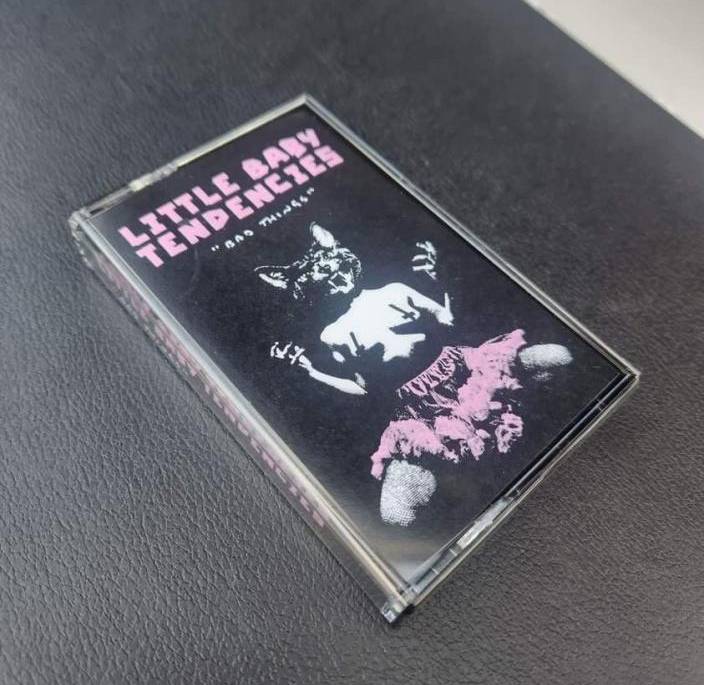
This is not to say Memphis punk duo Little Baby Tendencies is “cringey” in the modern sense of the word, but one listen to the self-reflective relationship horror story title track of their debut tape Bad Things will have you contorting your face in some sort of shape as the black metal “I love you daddy” screams enter your ears. Singer/guitarist Haley Ivey and drummer Tyler Harrington have created the kind of brain melting punk tape that walks the vulnerability tightrope with ease. Ivey is one of the most dynamic punk singers I’ve heard in a long time, hitting everything from Jonathan Davis-esque guttural growls to well-placed falsetto highs with ease. The album never feels stale across its 22 minute run time, which is more than I can say about a lot of punk that crosses my purview. Exciting, dynamic music full of left turns.

I keep coming back to their proprietary description of “crybaby punk.” It’s hard to describe the band as anything else once a label like that gets lodged in your brain, but there’s more to LBT than aimless whining. There’s a primal scream therapy type of catharsis on happening in between the guitar slides and drum bashing. Ending the album with a song as bluntly funny as “Burn the Flag!” seems to be an intentional choice. Anti-American jams are as old of a punk trope as any, but after intense screaming about sexual boundaries being broken and a section of the lyrics labeled “an improvisational rant from the point of view of someone who’s lost their mind,” a shout-along song about burning the flag on the Fourth of July feels like a nervous laugh in the face of awkward tension. After songs as intense as “Give Me Ur Coat,” with all of this band’s guts on display, you need a breather. You crave catharsis. Sometimes great punk gives you what you want. Sometimes it just wallops you over the head.

Tape available at your local Little Baby Tendencies show!

Tabs Out | Death Aria – Lost Media

Death Aria – Lost Media

2.13.23 by Ryan Masteller

I figured I’d go out on a clumsier note, nothing graceful. The body’s not built for grace at the end: you either get old and wither away, get sick and make a mess for a bit before succumbing, or get splattered and, sure, make an even bigger mess while succumbing instantly (if you’re lucky). Regardless, there’ll be that last moment when the breath leaves you, when your lungs simply can’t expand anymore and take in oxygen, and the sound will be appropriately horrible and feeble. That’s why they call it a “death rattle.” 

But there’s an alternative that we haven’t thought about, one that our fine friends at No Rent Records in Philly are eager for us to discover. (Well, maybe not too eager; they only made 100 copies of this thing, so maybe it’s actually an exclusive secret?) Why not a – wait for it – Death Aria? Like, instead of focusing on the immediate and terminal trauma, maybe we can train our minds to experience a euphonous hum or even the Universal Om when it comes time to expire and be absorbed into the cosmos or sink into oblivion or slap Saint Peter the most righteous high-five you can muster at the Pearly Gates. Death Aria’s “Lost Media”: a minimal synthesizer opera to draw existential attention at the moment of expiration and accompany the pending spirit across the threshold into whatever’s next.

Not hyperbole; not without merit. Death Aria examines the cold expanse of transition and composes brutally appropriate meditations in the face of the overwhelming inevitable. But they do so with the lightest, sweetest melancholic touch that just perfectly captures the balance of disbelief and acceptance. While the highlight of course is the gracious ambience of burial preparation and utter reverence for the deceased and the spiral of connection beginning with those closest and proceeding ever outward, the effect isn’t possible without the feedback and electronic disturbance smeared across each track. The combination points toward easy rest, but with turbulence on the road to it. It feels cosmic, all-encompassing, ecumenical. Spiritual. Attainable.

Or maybe this is all nonsense – we’ll see what happens when I’m at the right hand of the Lord following the Rapture. Still, those triumphal horns might not sound quite as nice as “Lost Media”… Who’s to say. I’ll probably end up riding my dirt bike off a cliff anyway. Death rattle.

Released in September 2022, this tape is eminently unavailable from the label (sold out, sucka), and I am one of ten on Discogs who claim it in their collection. Maybe if you’re lucky I’ll stake my copy in a fight (but I’ll win). Downloads is free, feed your iPod. (What do you mean they don’t make iPods anymore?)

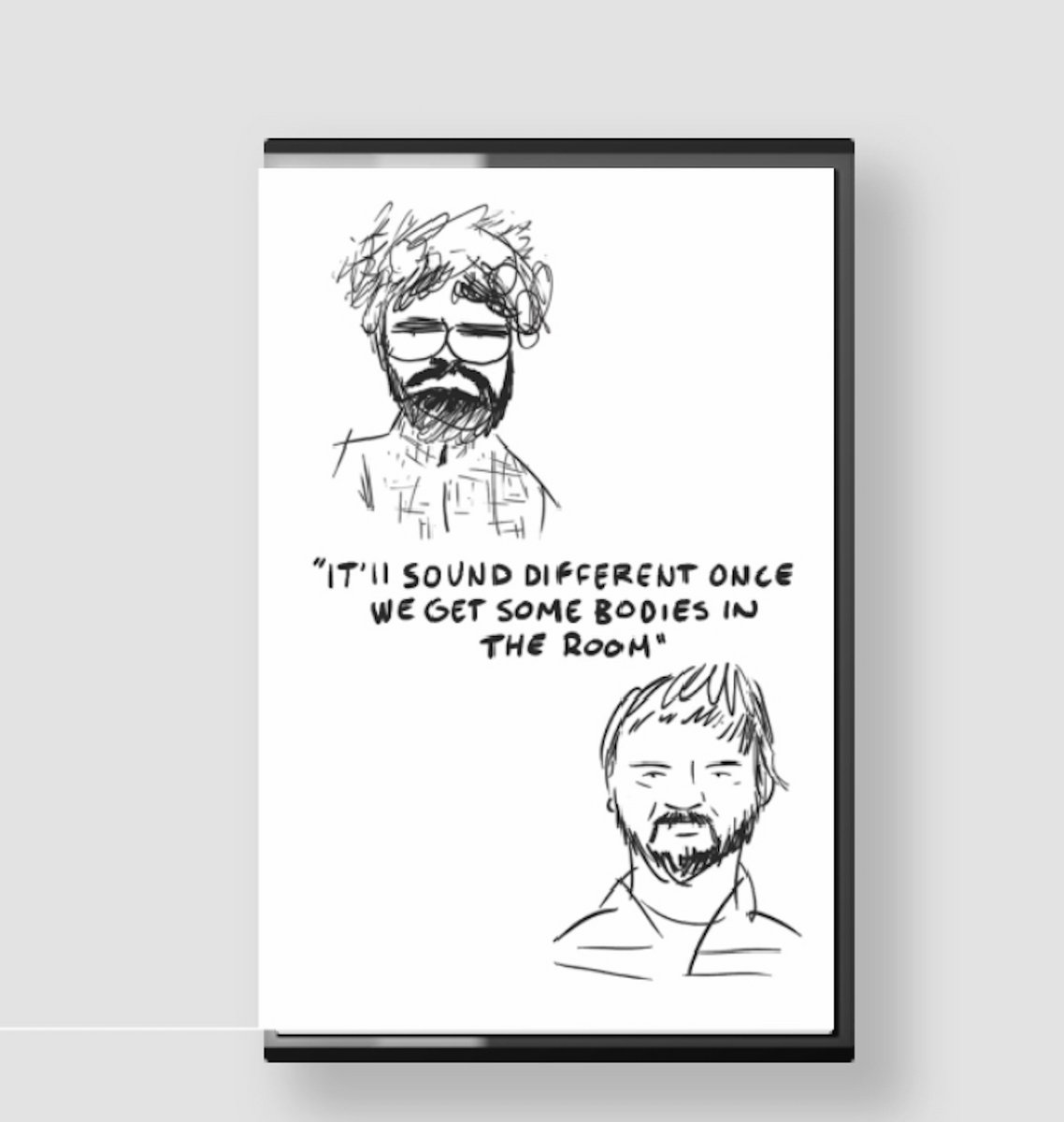
Tabs Out | Ryley Walker & Jeff Tobias – It’ll Sound Different Once We Get Some Bodies In The Room

Ryley Walker & Jeff Tobias – It’ll Sound Different Once We Get Some Bodies In The Room

2.9.23 by Matty McPherson

There’s new 2023 curatorial efforts from Ryley Walker (Husky Pants) & Jeff Tobias (Strategy of Tension) either out or coming on their labels, (Sam Goldberg & the Echoing Department’s Some Songs Are Sung & Feast of Epiphanies’ Significance, respectively). Endearing excursions towards a plane of pop enjoyment the experimental ferric enthusiast ought to take note of. Although neither of which happen to string a set of syllables together that warrants rare use, and I assumed both were stopgaps towards a greater objective, I had not anticipated that objective was actually going to be another Walker jam session. One recorded on January 27th, sent hot to the Bandcamp on February 3rd, and to be shipped off in about a week. And just like that those syllables melted out of my mouth and into the atmosphere.

“EUREKA!”

Ah there it is! We miss this term, don’t we folks? Back in the 2010s when you saw that term you knew where the quality laid and that the album had an intended effect that perhaps extended beyond mere technical precision or dexterity; the kind towards the emotive, primal core of why words are drawn up and transmitted online. We miss that term and its implications for discourse 3 to 4 years down the line. And yet now, I’m bringing it back. “EUREKA!” and say it loud.  As Walker and Tobias’ It’ll Sound Different Once We Get Some Bodies In The Room feels of a small achievement in the current tape world.

Firstly is the aforementioned immense speed of release. Right here and at this moment is a picture of two label heads and long time players cutting to the brass tax and just presenting it as fast as possible. Secondly, the thing shreds, threshing out a love for both Astral Spirits noise and cd era Louisville post-rock; a match made in heaven played like Texas hold ‘em.

Although please understand, we have been told little about the occasion of this release. Just “Jeff and Ryley sit down.” Practically a fairy tale in title form. Jeff’s duo tapes have shown two sides to him. The type of spirit that can follow a game (as with Jack Cooper of Modern Nature on Astral Spirits) or outright entertain a wrestling duel against his own. And I assume you’re aware of how he’s feeling, from back last fall. Jeff’s character with the saxophone (amongst trombone and reeds that aims between deconstructive noise or swaggering croonery hasn’t been as prepared as this kind of player.

Walker’s guitar channels a playfulness and style-nodding prowess that recaptures the beauty of DRWZI DOORS. Still, that release is a whole other noisenik affair. If there’s a baseline to be found (both with the tape + jeff), then it’s in Gastr deconstruction; brevity laden pauses and awe-ridden freakouts break through the C35 in half the tracks. Ryley will lead with breadcrumb chords like small stakes blinds and he needs Jeff to call, or Jeff will fire up a buzz of chords or a trombone drone. Sonically, it starts at 0 and the other will check or bluff to create an imperative; the kind where both of their noises meet and create a deep listen and an impressive show of force. Across six tracks, their high stakes poker game challenges the two to think of how to force a tell out of either. 

When tracks develop, they can start to move like the community flop; a creep of free-jazz cacophonies or post-wolk ambience. “Guest of the Government” opens a pathway to trance with just an inquisitive guitar loop and a low drone.  “Burnt Toyota Sienna” becomes practically caught up in a sax tornado that feels natural. The delicate “Buzz and Glide” plays its cards slowly, teasing out a gorgeous gliding guitar melody that breathes and pervades the space when it shines for its few seconds against the brass of Tobias’ horn; a dialogue and resonance indeed! If the tracks do tangle to the 7-minute mark, then the river portion of these cuts reveal a faithful devotion towards The For Carnation amongst the ghosts of Quarterstick’s past. “Cigarette Lake” retains a spooky tales from the crypt vibe as it approaches the five minute mark, where Ryley invokes southern gothic hallows and Jeff creates the sweltering atmosphere. It’s in these moments I find my quench sated, the nicest sonic jackpot of a tape in recent memory.

Limited Edition Tape Available at the Husky Pants Records Bandcamp

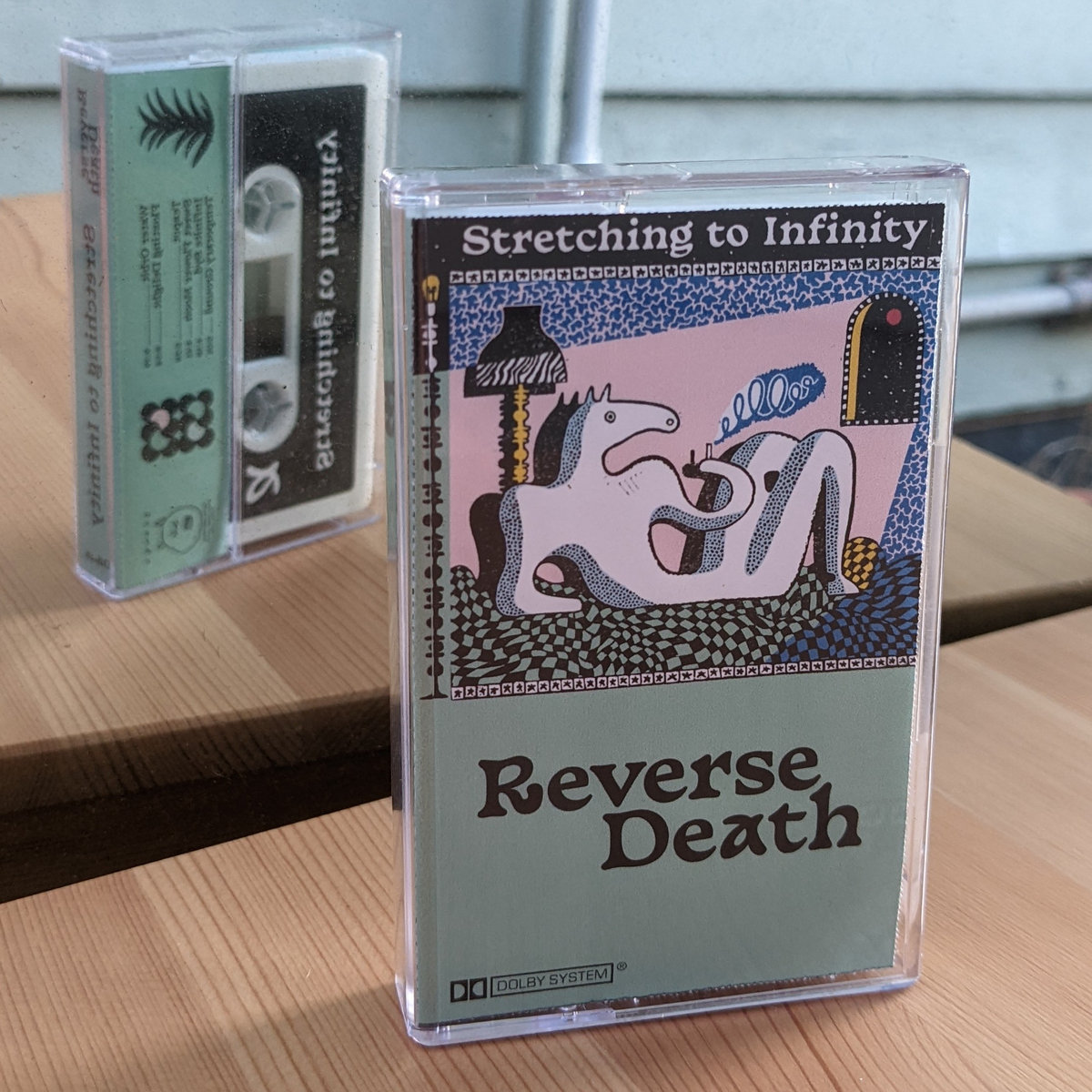
Tabs Out | Reverse Death – Stretching to Infinity

Reverse Death – Stretching to Infinity

2.7.23 by Matty McPherson

The Reverse Death trio of Daniel Onufer, Connor Johnson, and Ben Rea seemed to arrived on Drongo Tapes near the end of 2022 too blissed out amongst the endless listening pile. Yet, within the tumultuous soak of January’s winter rains, it’s found its way into my walkman and hi-fi once more, and as such I realized the curatorial ear of Drongo does not fail. The trio’s emphasis on a Side A/Side B affair across 5 tracks was purposeful; the result of a tour in Mexico imparting new wisdom in sequencing. As such, this wisdom results in a lot of sounds that beckon to be returned to for concurring reasons.

The opening “Water Orbit” shares a common thread with the droney, longing textures of Shells’ recent for Astral Editions, but often shares a keen ear for aquatic acoustics. The kinds that put it in lie with Scissor Tail tapes of early 2020 as much as vague debris of new age listening scattered across thrift shops. But the approach is neither spendthrift nor cheesey; there’s a sauntering lullaby quality to the movement, one that turns inward across “Floating Delight.” It’s here where reverb laden jangly guitar strings (amongst a cello!) and soft keys work in tandem to create a harmonic bliss akin to Bitchin Bajas’ search for the ultimate transcendent loop. Reverse Death doesn’t champion perfection here though, instead letting the improvisation and their own recordings of bird sounds or synth drones endlessly welcome you across the Side A.

Side B meanwhile, is the vocal psychedelic pop side; yet that sells the process short. The 4 cuts on this side, seem to carry a naturalistic ambience to their palette. The way the effect-laden drum crashes like salty waves on the jazzy Teapot, the almost-dub bass and twinkling melodies of Sweet Flower Moon’s slow waltz, Infinite Syd’s infinite looping reverb chords that invoke mid-aughts Paw Tracks, and the lo-fi reverent textures squeezed out of Temporary Ground. These are little elements that imply a distinct adherence to a subterranean silence second and virtuosic patience first and foremost the qualities that are of utmost necessity with what makes this style music so rewarding. Their PR mentions they’d been listening to Jessica Pratt, and it does show in the sheer amount of reverb and acoustic space amongst lo-fi recordings they’ve netted out of these 6 excursions. Their ability as such to use these drawn out cuts as a way to craft immense zones becomes their own private press achievement in that respect. Stretching to Infinity’s slow burn effectively rewards the wait, with each nugget becoming a knockout zone of its own volition so you give it the chance.

Edition of 100 Tapes Available Now at Drongo Tapes’ Bandcamp Page!